There is nothing quite like stepping into your backyard and being greeted by the cheerful songs of chickadees, the vibrant flash of a cardinal, or the delicate hum of a hummingbird. Transforming your outdoor space into a bird-friendly sanctuary doesn’t just bring beauty and life to your yard — it also provides crucial habitat for local wildlife. Whether you have a sprawling lawn or a cozy patio, you can attract a wide variety of birds by meeting their three basic needs: food, water, and shelter. Here is our simple 5-step guide to creating a bird-friendly backyard garden that you — and the birds — will love.
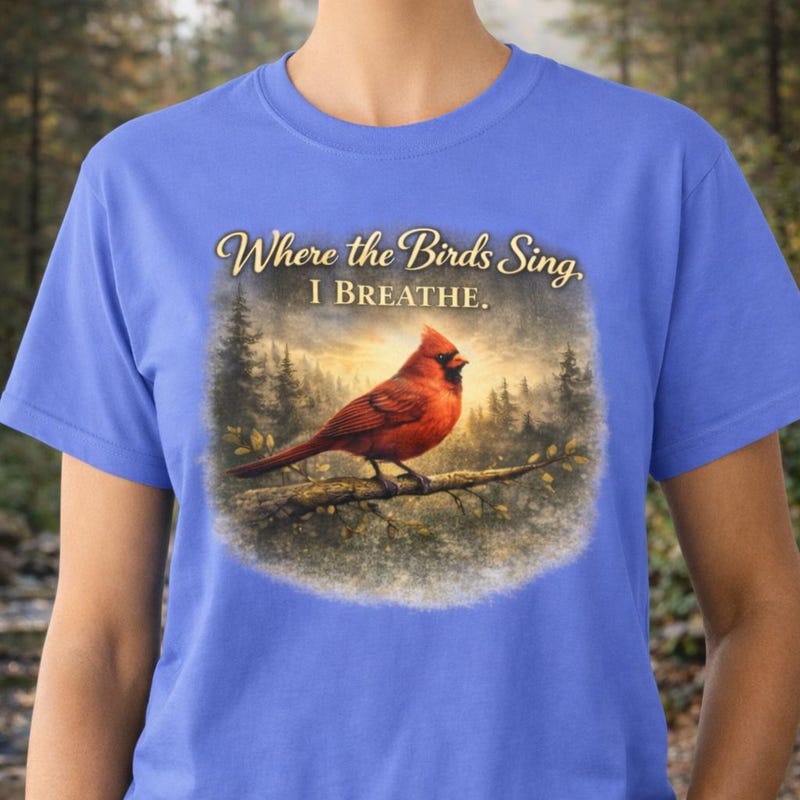
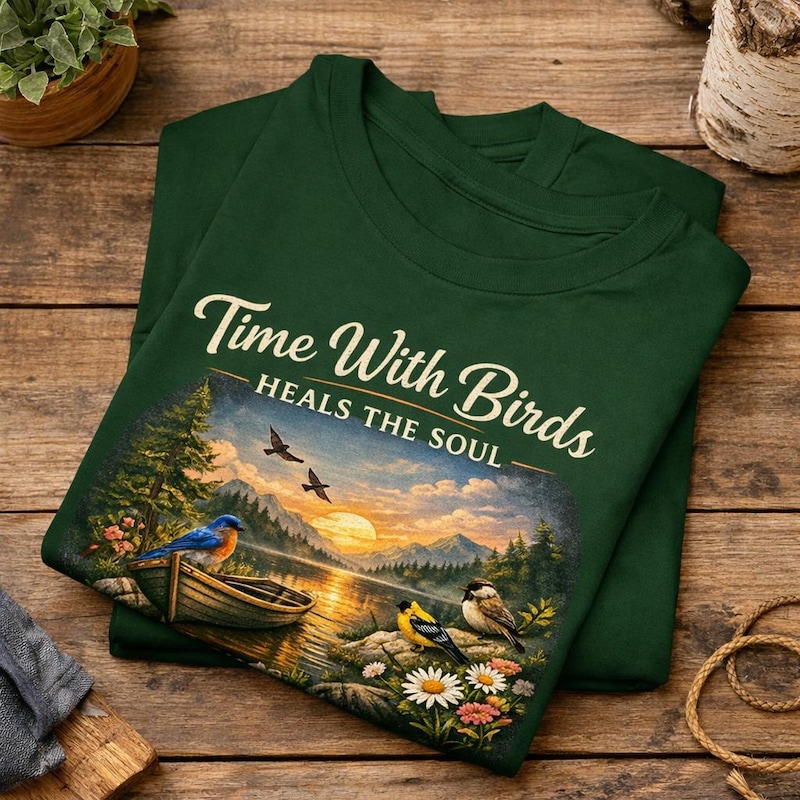
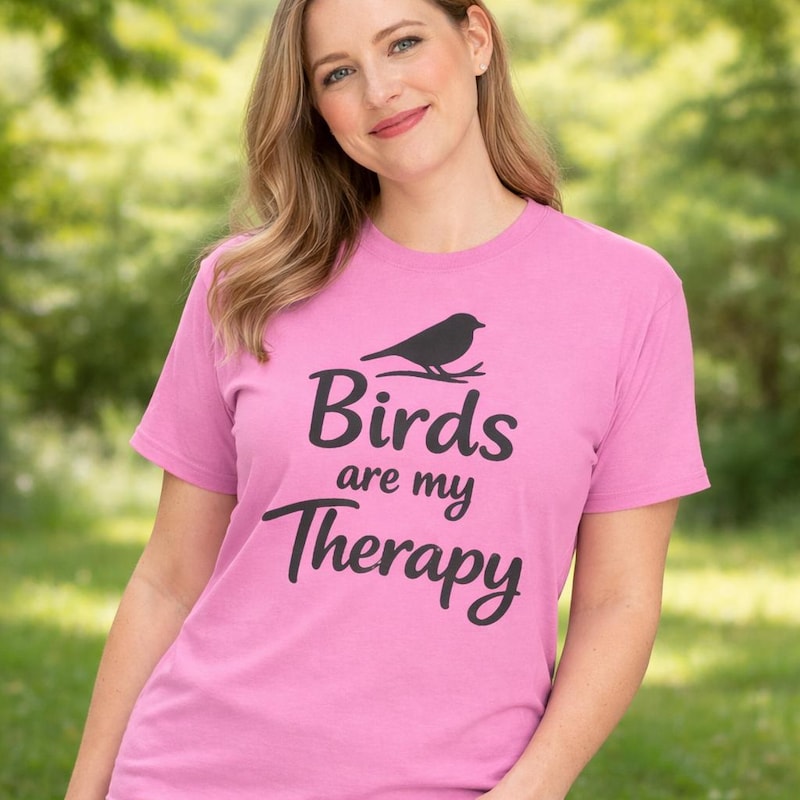
🌿 Nature & Therapy Bird Shirts
Wear your love for birds and the healing power of nature.
🛒 Shop Nature & Therapy Shirts on Etsy


Step 1: Plant Native Species
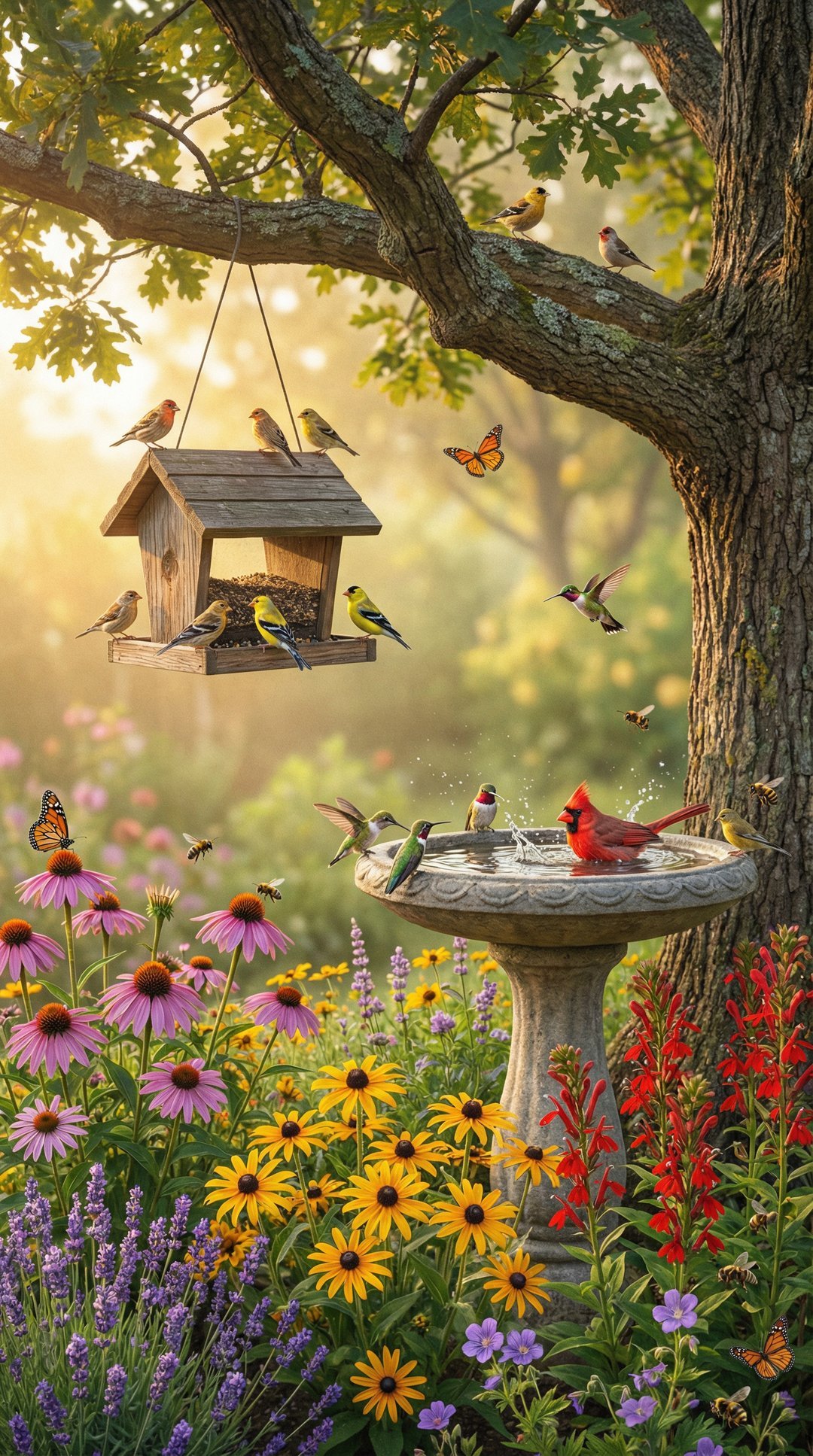
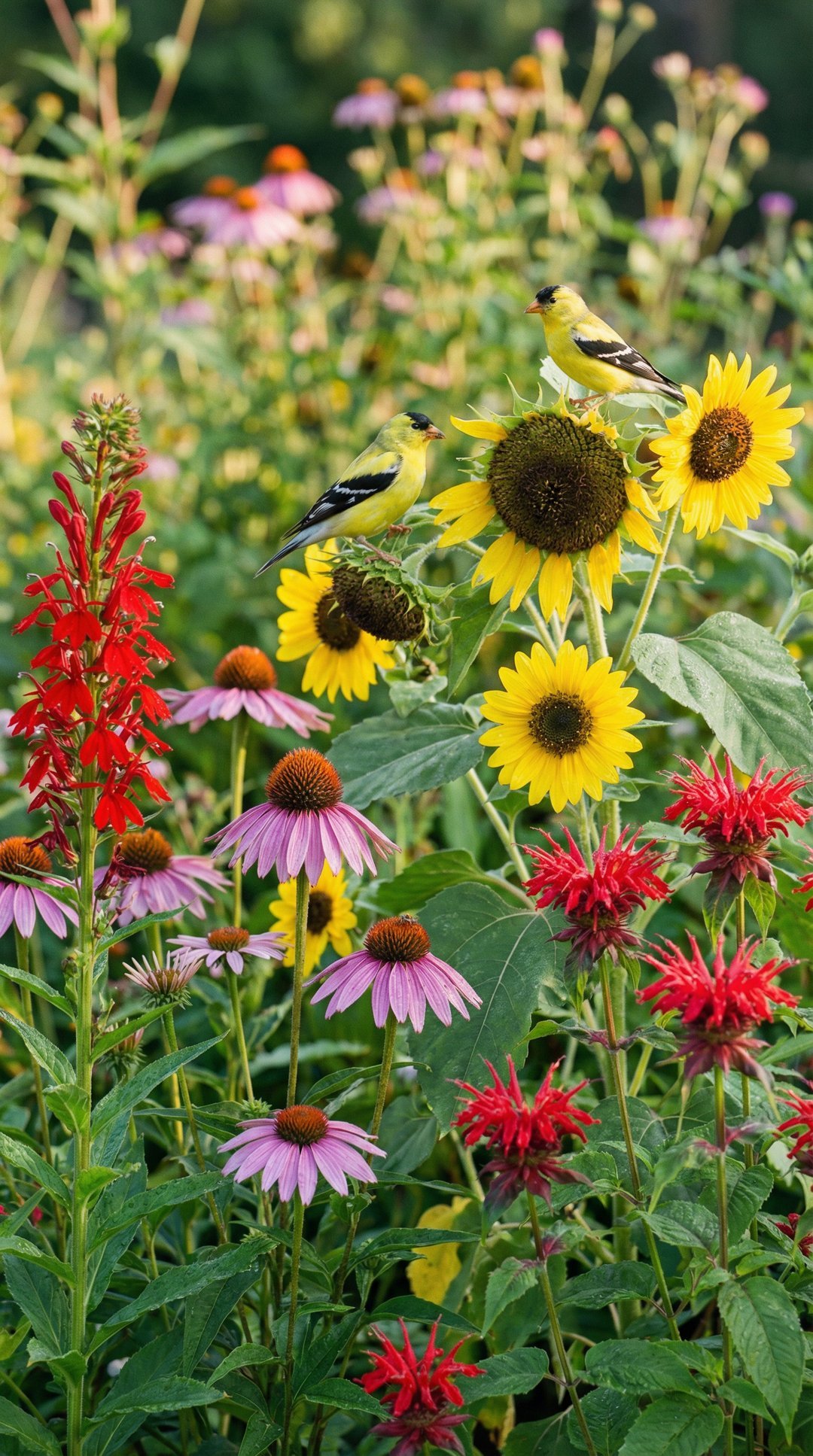
The foundation of any bird-friendly garden is native plants. Local birds have evolved alongside native flora, relying on them for seeds, nectar, and the insects they attract. Native plants support significantly more caterpillars and insects than non-native species — and almost all terrestrial birds feed insects to their young. For hummingbirds, choose tubular flowers like Bee Balm, Cardinal Flower, and Trumpet Honeysuckle. For seed-eaters, plant Coneflowers, Black-eyed Susans, and Sunflowers.
Step 2: Provide a Reliable Water Source
Love Birds? Shop Our Etsy Store!
Faith-filled bird shirts, mugs & gifts — beautifully printed & shipped fast. 122+ designs, 5-star rated.
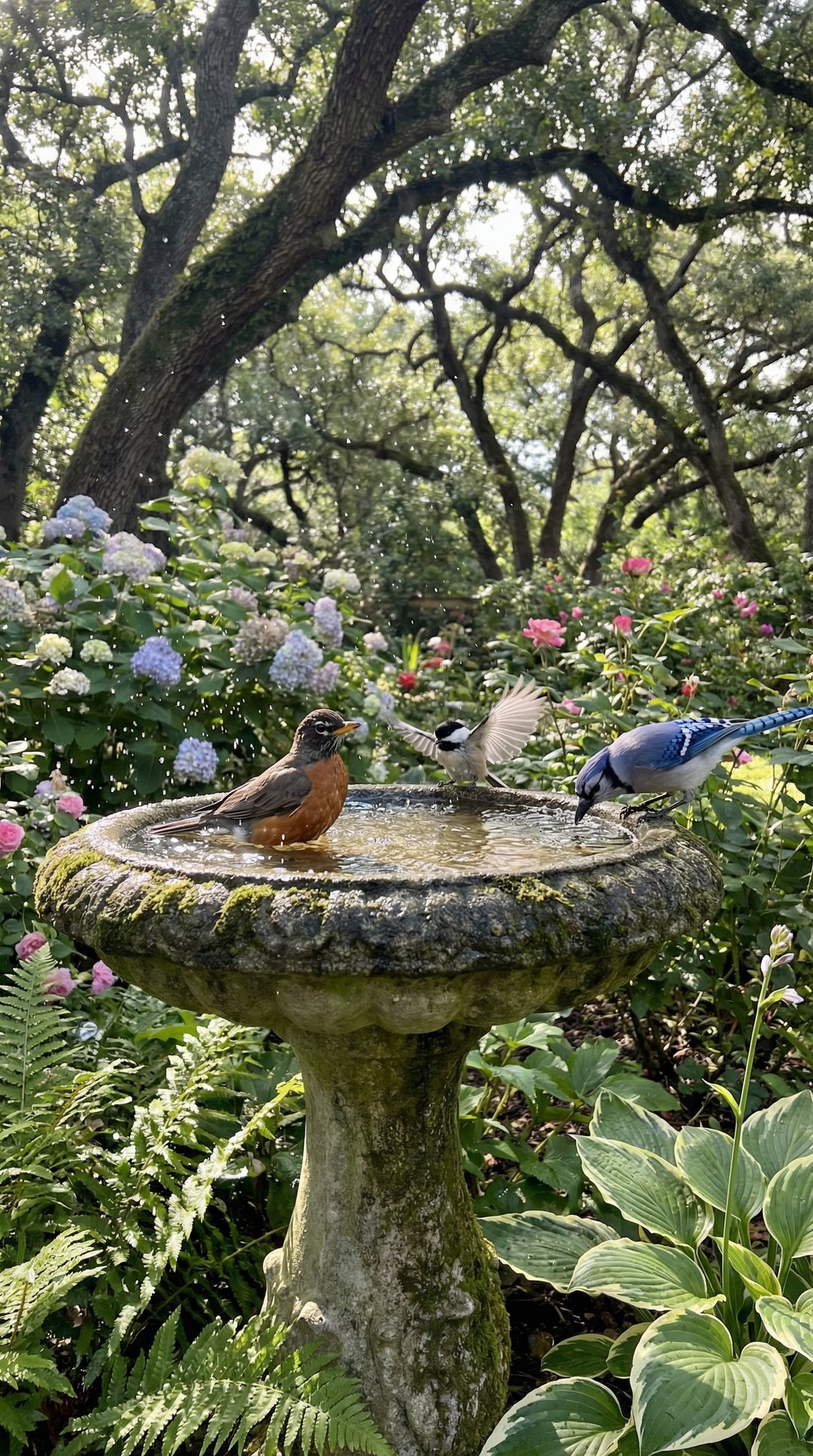
🛒 Shop YourBirdBuddyShop on EtsyBirds need fresh water year-round for drinking and bathing. A simple birdbath can attract species that might never visit your seed feeders, such as robins, bluebirds, and warblers. Keep the water shallow — no more than 2 inches deep — and add a few flat stones for smaller birds to perch on. Add a dripper or small solar fountain; the sound of moving water is a magnet for migrating birds!
Step 3: Offer the Right Food and Feeders
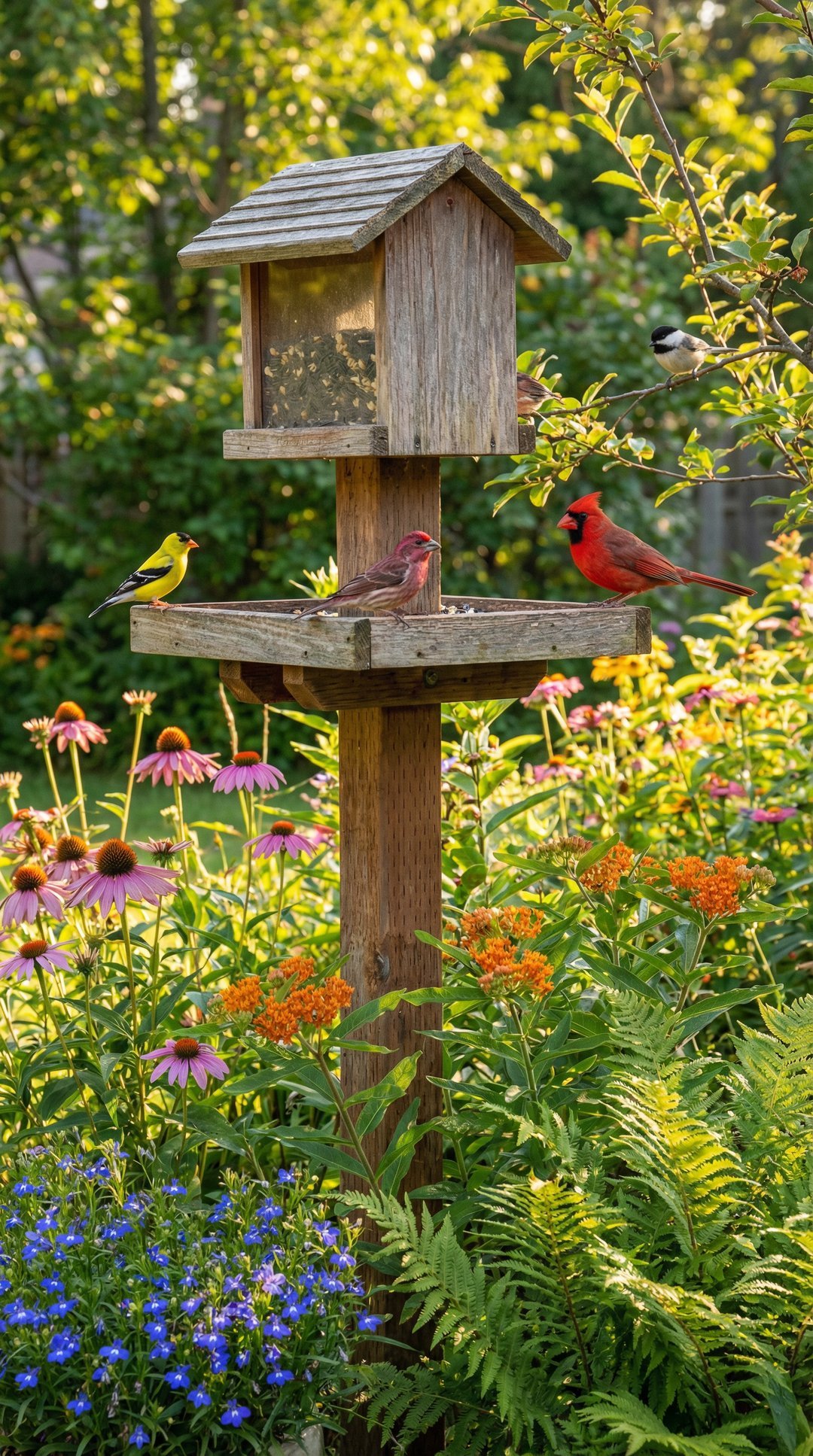
While native plants provide natural foraging, supplemental feeders bring birds right to your window. Fill tube feeders with black oil sunflower seeds to attract finches, chickadees, and titmice. Platform feeders are great for cardinals, jays, and doves. Suet feeders attract woodpeckers and nuthatches. For hummingbirds, a simple mix of 4 parts water to 1 part white sugar will keep them coming back all summer.
Step 4: Create Natural Shelter and Nesting Spots
Birds need safe places to hide from predators, roost at night, and raise their young. Create layers in your garden by planting a mix of tall canopy trees, understory trees, dense shrubs, and ground cover. Evergreen trees and dense hedges are particularly valuable for winter shelter. Add nesting boxes tailored to specific species like bluebirds or wrens — just clean them out at the end of each breeding season.
Step 5: Keep It Safe and Chemical-Free
A truly bird-friendly garden is a safe one. Eliminate chemical pesticides and herbicides and let the birds be your natural pest control — a single family of chickadees can eat thousands of caterpillars while raising a brood! Keep cats indoors, as outdoor cats are the leading cause of bird mortality. Place feeders either very close to windows (under 3 feet) or far away (over 30 feet) to prevent window collisions.
Enjoy the View!
Creating a bird-friendly garden is an ongoing, rewarding process. Grab your morning coffee, sit back, and watch as your backyard transforms into a bustling wildlife sanctuary. The more you plant and provide, the more species you will discover visiting your yard season after season.
Show Your Love for Backyard Birds!
Celebrate your garden visitors with our exclusive bird lover collection — perfect for your morning coffee on the patio or as a heartfelt gift for the bird lover in your life.
Enjoyed this post? Browse our Etsy shop!
Bird shirts, mugs & faith apparel · 122+ designs · ★★★★★ 5.0

0 Comments