Have you ever paused to watch a bird hop along a fence or sing from a tree branch? For many people, this simple act brings a wave of reliable peace and quiet joy. It’s a direct link to the living world, happening right outside your window.
This connection to nature is more than just a pretty sight. It can become a cornerstone of your daily routine, offering a consistent moment of calm. Observing these feathered visitors fosters a deep sense of tranquility that can improve your overall quality of life.
By welcoming wildlife into your outdoor space, you create a personal sanctuary. This practice encourages a mindful appreciation for the beauty around us. It’s a gentle hobby that can transform your perspective and contribute to lasting mental health improvements for everyone.
Key Takeaways
- Observing birds from home provides a consistent and easy connection to the natural world.
- This activity is known to cultivate feelings of peace and reduce daily stress.
- Creating a space for wildlife fosters a deeper appreciation for your local environment.
- The practice can lead to significant, positive changes in mental and emotional well-being.
- It is an accessible hobby that brings joy and tranquility to people of all ages.
- Mindful interaction with nature helps shift perspective and improve overall life satisfaction.
Exploring Backyard Birding Benefits
Love Birds? Shop Our Etsy Store!
Faith-filled bird shirts, mugs & gifts — beautifully printed & shipped fast. 122+ designs, 5-star rated.
🛒 Shop YourBirdBuddyShop on EtsyResearch institutions are validating what enthusiasts have long reported about the calming influence of avian visitors. The evidence comes from both structured studies and everyday experiences.
Research Insights from Cornell Lab Ornithology
The Cornell Lab of Ornithology runs Project FeederWatch. This program lets participants track their emotional states while watching birds. The data shows a clear pattern.
Feeding our feathered friends meets a basic human need for connection. The cornell lab ornithology findings provide scientific backing for this claim. Their ongoing work continues to explore these relationships.
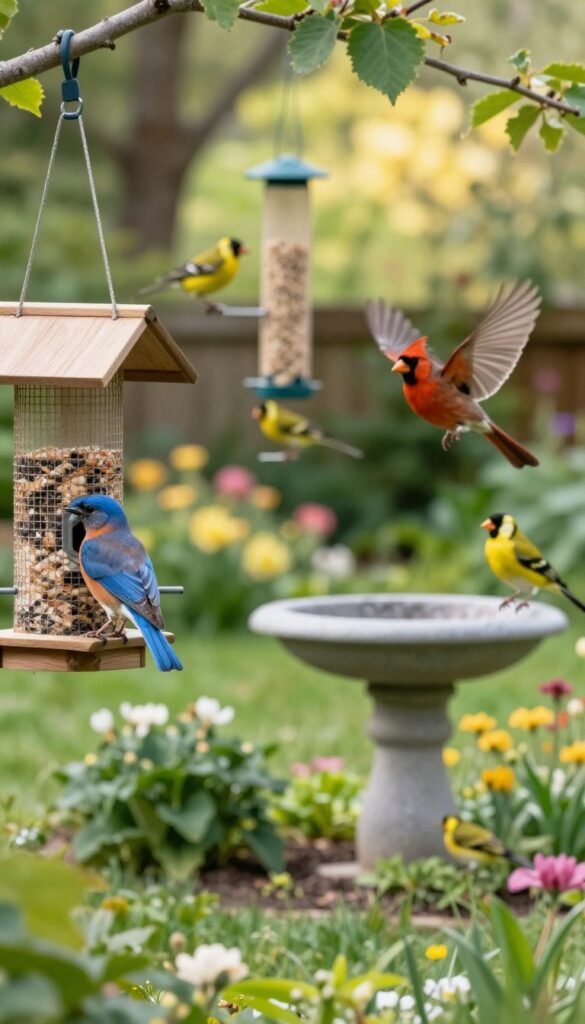
Personal Stories and Observations
My friend Alanna set up her first feeder in early 2024. She notes it helps manage her anxiety by offering a peaceful daily ritual. The simple act brings consistent calm.
Another friend finds solace watching birds through her window. She says it reliably brings peace during stressful times. These individual stories form a compelling list of positive outcomes.
| Aspect | Scientific Findings | Personal Experience |
|---|---|---|
| Emotional Impact | Data shows reduced stress markers | Reports of increased daily calm |
| Connection | Fulfills need for nature interaction | Feeling of companionship with wildlife |
| Routine Value | Structured observation improves mood | Daily feeding creates positive habit |
The table above highlights how formal research and lived experience align. Both the cornell lab data and personal accounts point to similar benefits. This convergence makes the case stronger.
Mental Health and Emotional Well-being
Decades of psychological research confirm that connecting with nature is a potent tool for emotional wellness. This connection offers profound benefits for our minds.
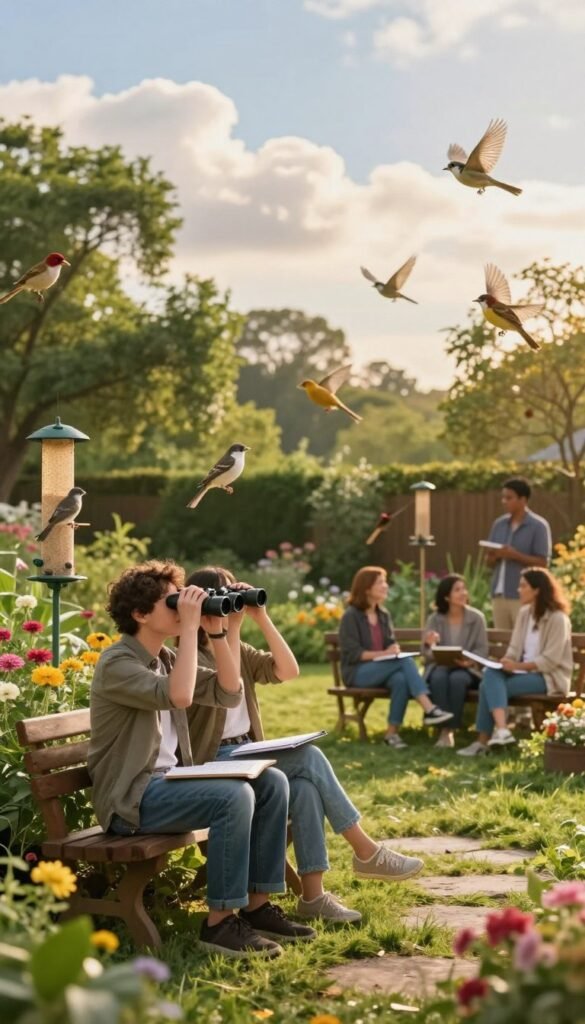
How Bird Watching Boosts Mental Health
Psychology professors Rachel and Stephen Kaplan identified two types of attention. Our minds need fascination from nature to recover from daily fatigue. Many birders also love expressing this connection with a birdwatching shirt that says exactly what they’re about.
Professor Terry Hartig studied restorative environments. His work shows how these spaces build resilience against modern stress.
A study using the Urban Mind app tracked 1,200 people. It found observing birds has positive effects on individuals with and without depression.
Relieving Stress and Anxiety Through Nature
Licensed therapist Tammah Watts authored the guide “Keep Looking Up.” It details how this practice supports mental health and spiritual well-being.
Regular exposure helps reduce anxiety. It pulls people out of self-absorption into a restorative frame of mind.
The healing effects are well-documented. Watching birds with colorful feathers is more than a hobby; it’s a health strategy.
Creating a Bird-Friendly Environment
A welcoming habitat for local birds is built on two key elements: food and shelter. You can design a supportive space that attracts diverse species and keeps them returning.
Designing Your Space with Native Plants and Feeders
Native plants provide essential nourishment and cover. These local trees and shrubs offer berries, seeds, and insects that birds naturally seek.
They create a mini-ecosystem right in your garden. This reliable food source is better than any feeder.
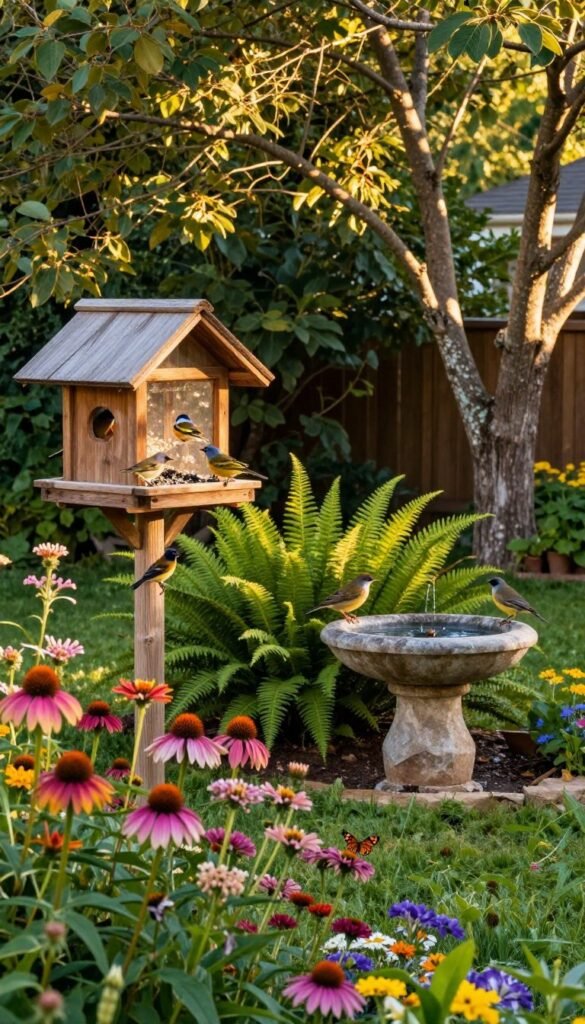
Supplement with man-made feeders. Install different types, like tube or suet feeders, at various heights.
Place them near protective cover, such as a bush. This allows birds to feel safe while they eat.
Providing a clean water source is crucial. This is especially true during the dry months of spring.
Proper maintenance prevents disease. You should use a nine-to-one water-to-bleach solution to clean feeders twice per month.
Enhancing Family and Educational Experiences
Sharing the wonder of avian life with children opens a door to discovery and lasting environmental stewardship. This shared activity strengthens family bonds and turns casual observation into a meaningful learning journey.
Engaging Kids with Bird Watching Activities
Handing a child a pair of binoculars unlocks a new way to see the world. It’s a fantastic way to visit local parks and natural places together.
Teaching them how to use this tool provides a real-world science lesson. You can explain how lenses and prisms bend light to bring distant birds into clear view.
A bird identification app on your phone makes it even more engaging. Kids can learn the names and types of visitors that arrive in your outdoor space each spring.
Learning About Species, Songs, and Habits
For a hands-on project, the Cornell Lab of Ornithology offers a helpful list of DIY feeder builds. Constructing one together is a fun family activity that teaches about avian habits.
Listening to different songs and calls is another rewarding way to spend time. It helps everyone learn to identify common species by sound alone.
This exploration fosters a lifelong love for natural environments. Many people find it’s a great guide to discovering hidden gems in their own community.
Natural Pest Control and Ecosystem Support
Your feathered visitors do more than just entertain; they are natural pest managers working for free. They provide essential services that support the health of your local area and reduce the need for chemical interventions.
Birds as Natural Insect Controllers
Research highlights their incredible appetite. A single nest of baby chickadees can eat between 6,000 and 9,000 caterpillars in one season. This offers excellent, chemical-free pest management for your plants and trees.
Supporting these helpful species means providing habitat. Keeping dead trees, or snags, is crucial. They support about 20% of forest animal species by offering nesting and perching sites.
It’s important to create a safe space. Outdoor cats are a major threat, killing over 1.4 billion birds each year in the United States. Keeping cats indoors protects these vital garden allies.
Many bird species have adapted to local environments over thousands of years. This creates a balanced ecosystem. You can use this to your advantage.
For rodent concerns, attracting raptors like owls can help. Providing a list of native plants and maintaining clean feeders supports local species in decline. Protecting bird life is essential for our planet’s long-term health, as they play vital roles in pollination and insect control.

Wear your backyard birding pride all day long.
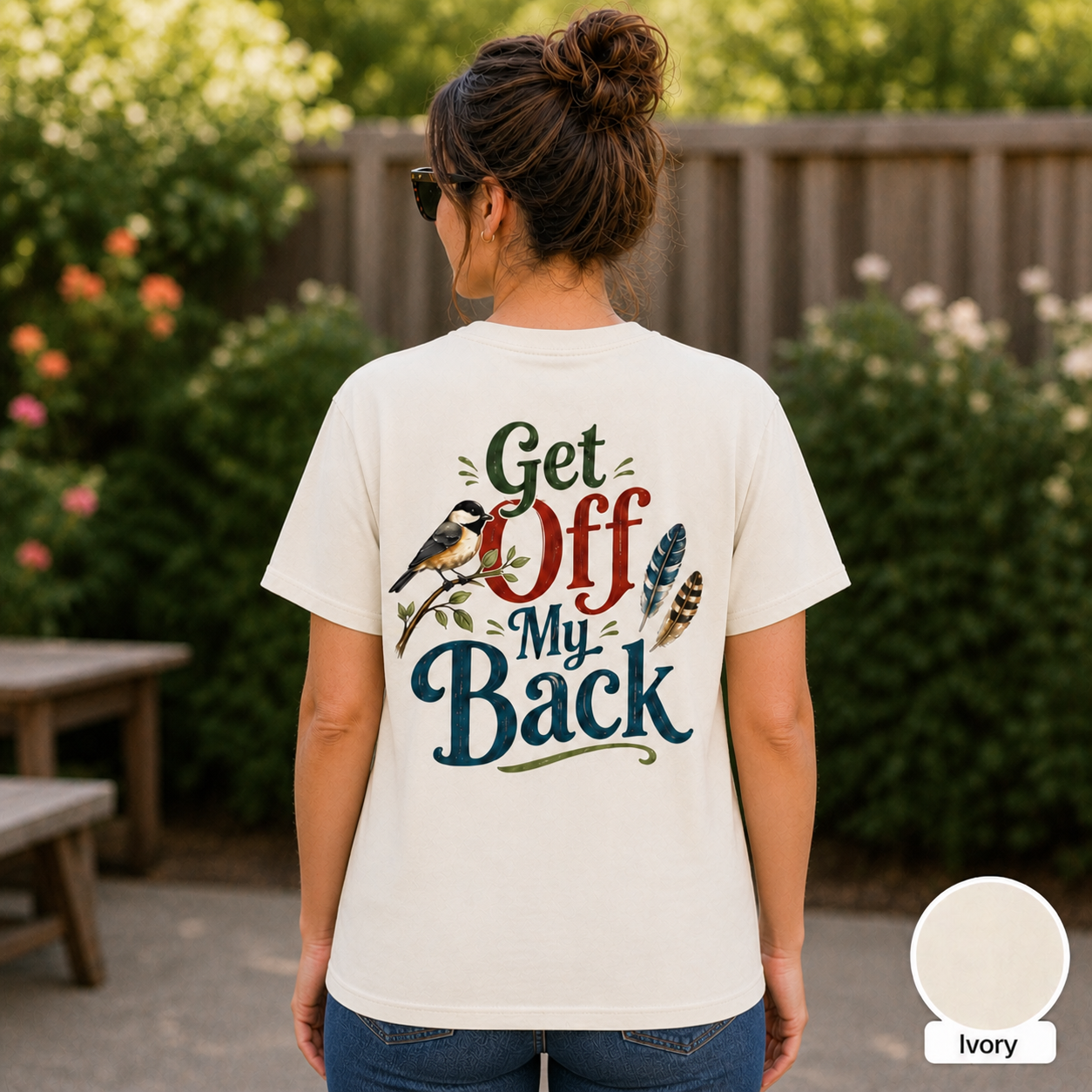
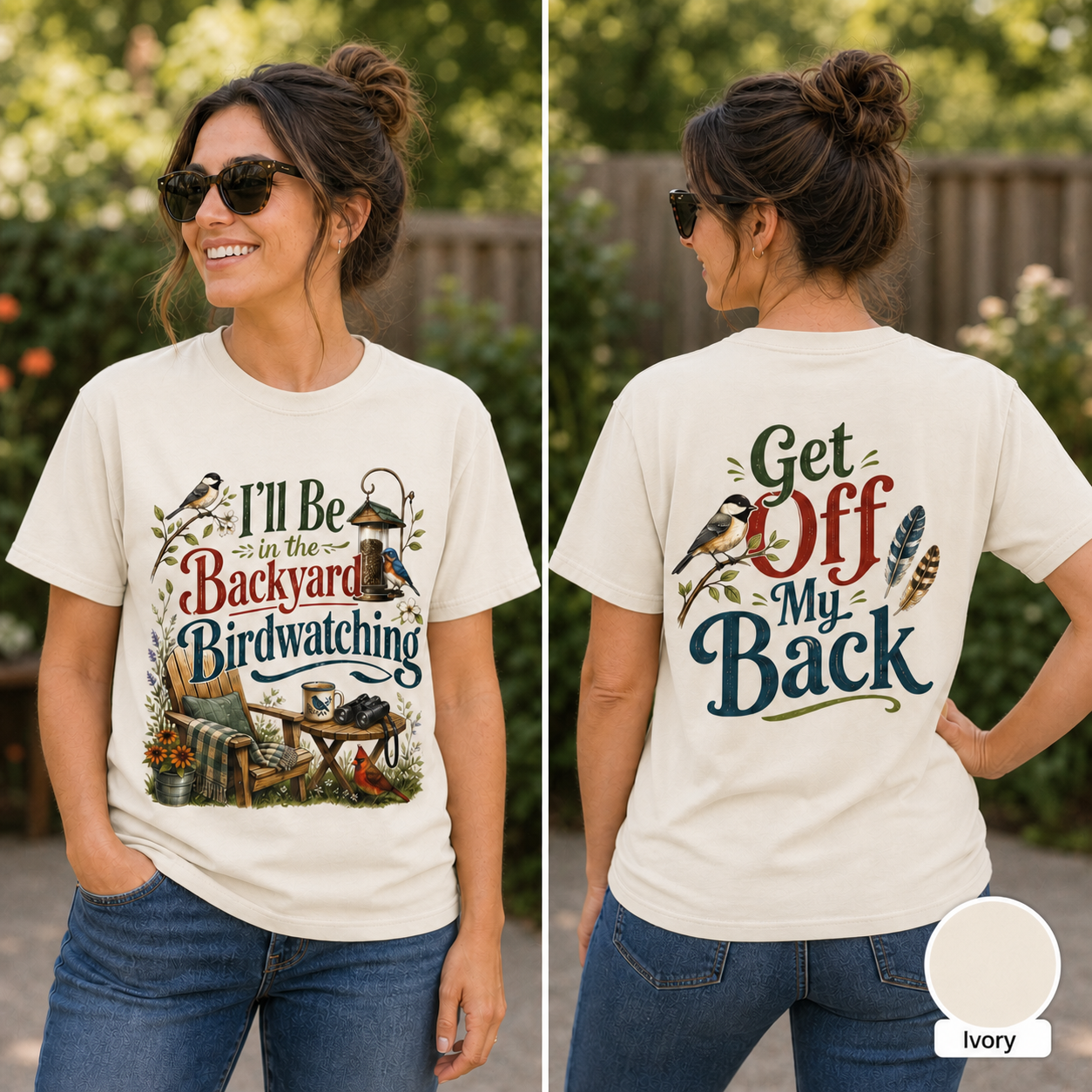
The “I’ll Be in the Backyard Birdwatching” Comfort Colors shirt is made for people who genuinely choose birds over people. Front: your plans. Back: “Get Off My Back.” It’s the most honest shirt a birder can own.
★★★★★ Available in 6 colors · Comfort Colors garment-dyed · Ships from the US
Featured in This Post
“I’ll Be in the Backyard Birdwatching”
Comfort Colors Heavyweight Tee • 6 Colors • Unisex Fit
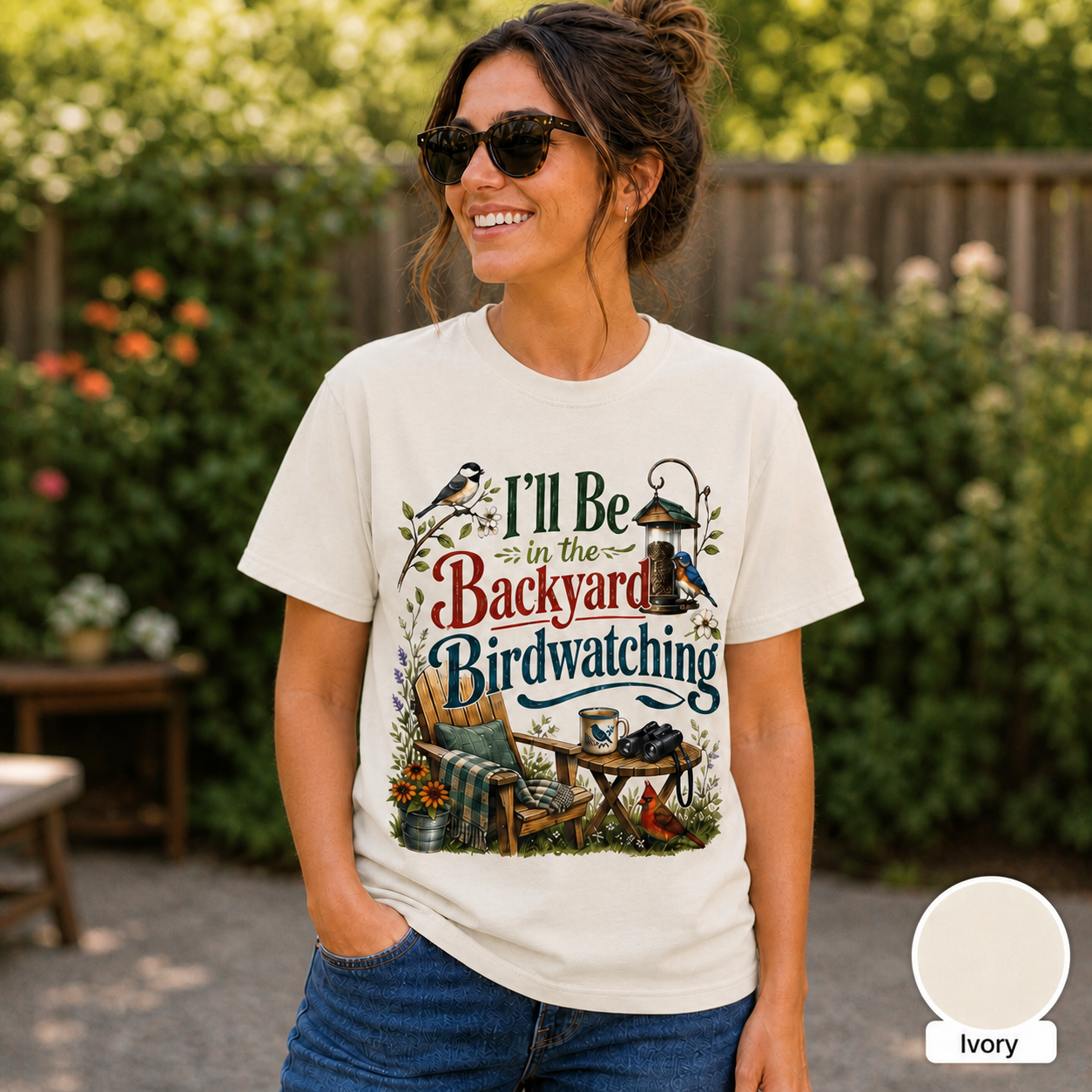
Free shipping on orders over $35 • Made to order
Conclusion
Embracing the world of avian observation from home merges personal wellness with positive ecological action. This gentle hobby supports your mental health while directly aiding local birds. It’s a rewarding exchange for everyone.
Creating a welcoming environment invites nature into your daily life. You provide essential resources, and in return, gain a front-row seat to fascinating bird behaviors.
For many people, this activity becomes a cherished routine. The calm focus required for watching birds can quiet a busy mind effectively.
Whether you’re new to birding or a seasoned watcher, the opportunities for discovery are endless. Start by observing the birds that already visit your area.
Each action you take strengthens this connection. It enriches your well-being and contributes to the health of your local environment.
Enjoyed this post? Browse our Etsy shop!
Bird shirts, mugs & faith apparel · 122+ designs · ★★★★★ 5.0

0 Comments