Snow looks beautiful on a feeder roof. Damp seed tucked into a tray, tube bottom, or feeder seam is less charming. Winter bird feeding works best when food stays dry, equipment is easy to clean, and refills match the weather. This simple wet-weather routine helps you notice small problems early—before a feeder becomes clumpy, smelly, or hard for birds to use.
Why dry seed deserves a winter routine
Moisture is the issue to manage, not a reason to panic. Cornell’s Project FeederWatch reports that wet seed can create conditions in which certain pathogens persist, while its tested dry-seed samples did not show recovery of Trichomonas gallinae. Cornell and Audubon also stress that moisture left inside a feeder can encourage fungal or bacterial growth. [1] [2] A few quick habits make a meaningful difference.
1. Begin with a clean, completely dry feeder
Love Birds? Shop Our Etsy Store!
Faith-filled bird shirts, mugs & gifts — beautifully printed & shipped fast. 122+ designs, 5-star rated.
🛒 Shop YourBirdBuddyShop on EtsyEmpty old seed first. Brush out hulls, dust, and packed material at corners and feeding ports; then wash, rinse, and let every surface dry before refilling. For routine cleaning, Cornell recommends about every two weeks for seed feeders, with more frequent attention during wet weather, heavy use, or local disease advisories. [3]
2. Give the feeder a weather advantage
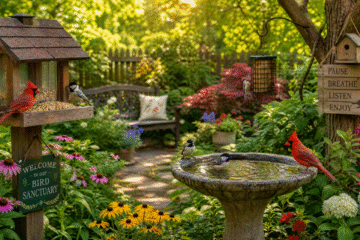
A roofed hopper or a well-designed tube feeder can shelter seed more effectively than an open tray. Whatever you use, check the seams, ports, and bottom for places where meltwater collects. A platform feeder can still be useful, but a screened bottom improves drainage and it is smartest to offer only a modest amount that will be eaten promptly. [4]
3. Keep food out of the splash zone
Position seed feeders far enough from a birdbath or water source that splashing cannot soak the food. Project FeederWatch specifically recommends avoiding this splash zone. Choose a place with reasonable shelter from prevailing rain or wet snow, but keep the feeder visible enough to inspect easily. [1]
4. Fill less before a wet spell
Before prolonged rain, sleet, or thawing snow, do not top off a large reservoir simply because it is convenient. Add a smaller amount and plan to check it again. This makes it easier to replace wet or clumped seed rather than trying to salvage a full feeder after the weather passes.
5. Do a quick after-weather check
Once conditions improve, look for clumps, swollen seed, condensation, stuck ports, or a stale odor. If seed is visibly wet, moldy, or spoiled, discard it rather than mixing it into fresh food. Sweep accumulated hulls and food beneath the feeder too; uneaten seed on the ground can spoil and attract unwanted visitors. [2] [3]
6. Let drainage do its job
Drainage matters most where seed rests. Keep tray screens clear, clear snow from feeder roofs and perches, and do not let a layer of wet hulls block openings. In tube feeders, empty old seed before adding fresh seed; Cornell notes that seed below the lowest feeding ports may otherwise sit unused and become a hidden maintenance problem. [4]
7. Store your backup seed properly
Keep unopened and refill seed in a cool, dry place where rodents cannot reach it. A tight-fitting container helps protect the supply between refills. Inspect stored seed as carefully as the food outside: a musty smell, moisture, or visible mold is a signal not to use it. [5]
8. Know when to pause and reset
If you see birds that appear ill or find dead birds around the feeding area, remove feeders and baths temporarily, clean them thoroughly, and follow current guidance from your state wildlife agency. Do not handle sick or dead birds with bare hands. [2]
Your two-minute winter check
| Look for | Do this |
|---|---|
| Dry, loose seed and clear ports | Refill only what the weather and traffic call for. |
| Wet clumps, mold, or stale odor | Empty, clean, dry, and refill with fresh seed. |
| Wet hulls under a feeder | Rake or sweep them away rather than adding more food. |
| Signs of illness | Pause feeding and consult local wildlife guidance. |
Consistency beats perfection. A feeder that is easy to clean, checked after wet weather, and stocked with fresh dry food is a much better winter invitation than a giant, neglected reservoir.
References
- Project FeederWatch: Reasons why we should keep our seed dry
- Audubon: How to Feed Birds Safely This Winter
- Cornell Lab of Ornithology: How to Clean Your Bird Feeder
- Cornell Lab of Ornithology: How to Choose the Right Kind of Bird Feeder
- Mass Audubon: Bird Feeding Best Practices
Enjoyed this post? Browse our Etsy shop!
Bird shirts, mugs & faith apparel · 122+ designs · ★★★★★ 5.0

0 Comments