
Have you ever looked out your window and wished for a more vibrant, lively backyard? Imagine sipping your morning coffee to the cheerful chirping of songbirds, watching colorful hummingbirds dance among your flowers, and witnessing the fascinating behaviors of different bird species right in your own yard. This dream is closer than you think! With a little knowledge and effort, you can transform your backyard into a bustling sanctuary for a wide variety of feathered friends. This guide will walk you through everything you need to know to get started with the rewarding hobby of backyard birding.
The Joy of Backyard Birding
Backyard birding is more than just a hobby; it’s a way to connect with nature on a daily basis. It provides endless entertainment, a sense of peace and tranquility, and a fantastic learning opportunity for all ages. Creating a bird-friendly habitat not only benefits the birds but also enhances the beauty and ecological health of your own outdoor space. By providing the essentials for survival, you’ll be rewarded with the delightful presence of these beautiful creatures year-round.
Attracting a Variety of Birds:
Attracting a Variety of Birds: The Four Keys to Success
To attract a diverse range of bird species, you need to provide for their basic needs: food, water, shelter, and nesting sites. By addressing these four key areas, you’ll create an irresistible haven for birds.
1. Food: A Feast for Your Feathered Friends
Providing a reliable food source is the quickest way to attract birds to your yard. Different birds have different dietary preferences, so offering a variety of foods will bring in a wider range of species.
Types of Bird Feeders
Choosing the right bird feeder is just as important as the food you offer. Here are some of the most popular types:
•Platform Feeders: These open trays are great for attracting a wide variety of birds, including larger species like cardinals, jays, and doves. They are easy to fill and clean, but the seed can get wet in the rain.
•Hopper Feeders: These feeders protect the seed from the elements and can hold a large amount of food, reducing the need for frequent refilling. They are ideal for attracting a variety of small to medium-sized birds.
•Tube Feeders: These are perfect for smaller songbirds like finches, chickadees, and titmice. The small perches and feeding ports prevent larger birds from dominating the feeder.
•Suet Feeders: Suet is a high-energy food that is especially important for birds in the winter. Suet feeders are simple cages that hold suet cakes and attract woodpeckers, nuthatches, and chickadees.
•Hummingbird Feeders: These specialized feeders hold nectar and are designed to attract these tiny, energetic birds. Look for feeders that are easy to clean to prevent mold growth.
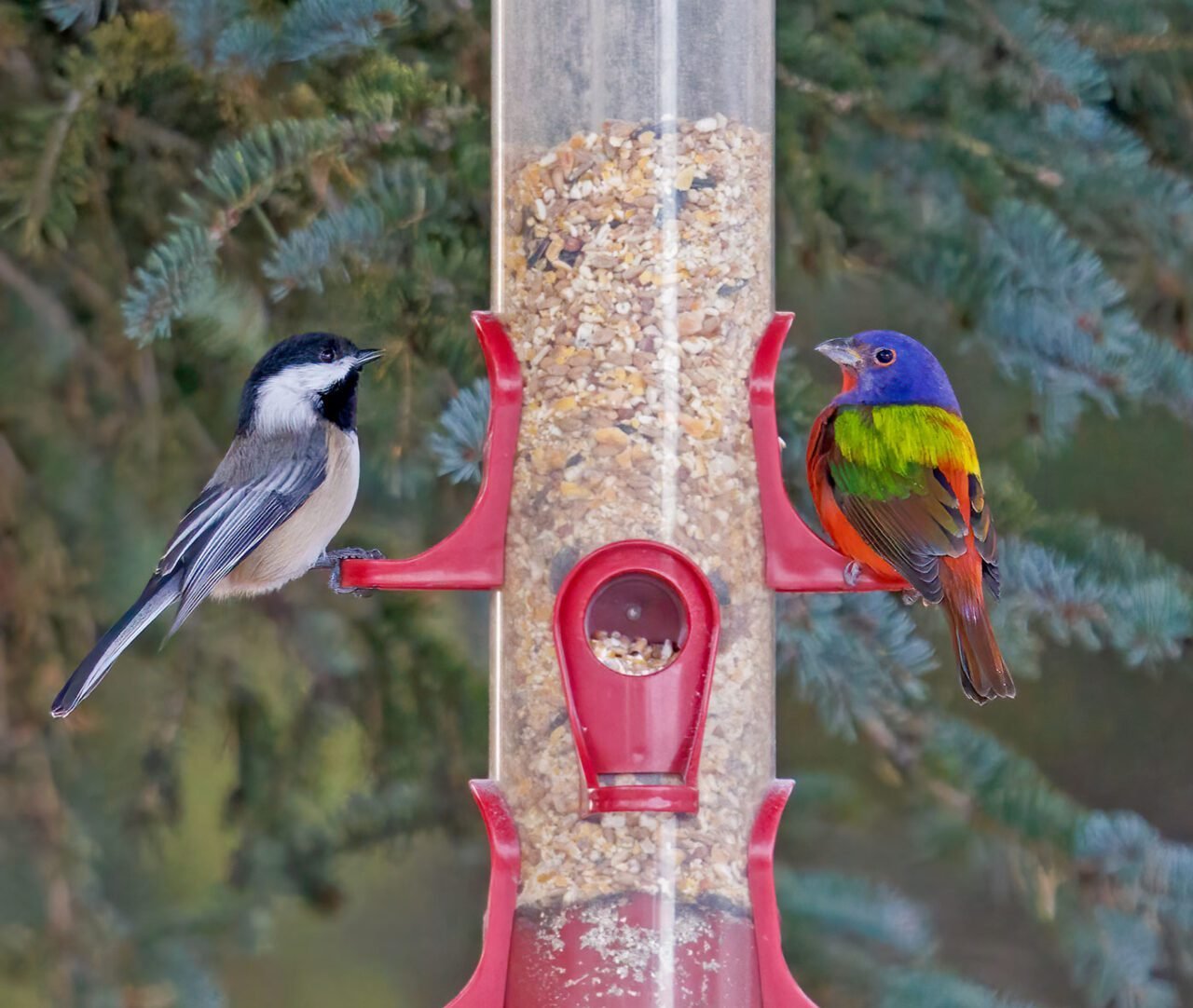
What to Feed the Birds
•Black-Oil Sunflower Seeds: If you could only offer one type of birdseed, this would be it. It’s a favorite of many species, including cardinals, chickadees, finches, and nuthatches.
•Nyjer (Thistle) Seed: This tiny black seed is a favorite of finches, especially American Goldfinches.
•Suet: A high-fat food that provides essential energy for birds, especially during cold weather.
•Nectar: A simple solution of sugar and water is all you need to attract hummingbirds. You can make your own or buy pre-made nectar.
•Peanuts: A favorite of jays, woodpeckers, and nuthatches.
Ready to get started? Check out our recommended products below!
2. Water: A Bird’s Oasis
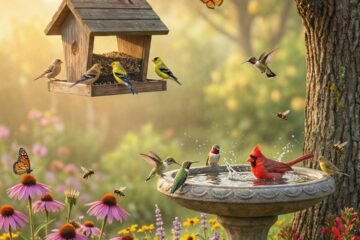
Water is just as important as food for birds. They need it for drinking and bathing. A birdbath is a simple and effective way to provide a reliable water source. Choose a birdbath with a shallow basin and a textured surface to provide good footing for the birds. Place it in a visible location, preferably near some trees or shrubs so the birds can quickly retreat to safety if they feel threatened. In the winter, a heated birdbath will be a magnet for birds in your area.
3. Shelter: A Safe Haven
Birds need a safe place to rest, preen, and escape from predators and harsh weather. Trees and shrubs provide excellent natural shelter. Evergreens are particularly valuable as they offer protection year-round. If you don’t have mature trees in your yard, you can create a brush pile in a corner of your yard using fallen branches and leaves. This will provide a safe haven for ground-dwelling birds like sparrows and towhees.
4. Nesting Sites: Raising the Next Generation
Many birds will choose to nest in your yard if you provide suitable locations. Again, trees and shrubs are the best natural nesting sites. You can also put up birdhouses to attract cavity-nesting birds like bluebirds, wrens, and chickadees. Make sure to choose a birdhouse that is the right size for the species you want to attract and place it in a suitable location, away from predators and human disturbance.
The Magic of Hummingbirds
Hummingbirds are a true delight to watch. These tiny, iridescent jewels of the bird world are a favorite of many backyard birders. To attract hummingbirds, you’ll need to provide a source of nectar. You can do this by planting nectar-rich flowers like bee balm, salvia, and petunias, or by putting up a hummingbird feeder.
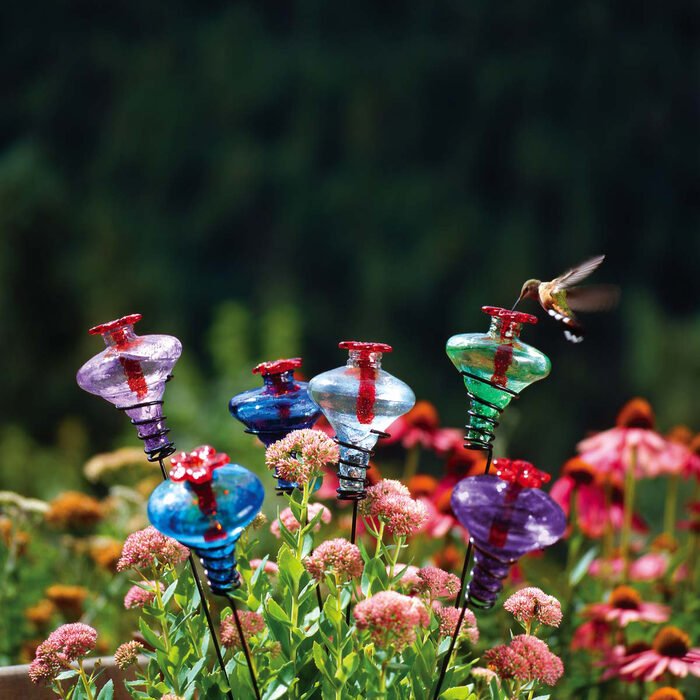
When choosing a hummingbird feeder, look for one that is easy to clean and has a built-in ant moat to keep pests away. You can find some great options in our product recommendations below. It’s important to clean your feeder every few days, especially in hot weather, to prevent the growth of harmful mold. A simple solution of one part sugar to four parts water is all you need to fill your feeder. Avoid using red dye, as it is not necessary and may be harmful to the birds.
Birdscaping: Designing a Bird-Friendly Garden
Birdscaping is the art of designing your garden to attract birds. By choosing the right plants, you can provide food, shelter, and nesting sites for a wide variety of species. When planning your bird-friendly garden, think in layers. Include a mix of tall trees, smaller trees and shrubs, and a variety of perennials, annuals, and groundcovers. Native plants are always a good choice as they are adapted to your local climate and are a natural food source for local bird species.
Here are some plants that are great for attracting birds:
•Trees: Oak, maple, birch, and crabapple trees provide food, shelter, and nesting sites for a variety of birds.
•Shrubs: Dogwood, viburnum, and serviceberry shrubs provide berries that are a favorite of many birds.
•Flowers: Sunflowers, coneflowers, and black-eyed Susans provide seeds for finches and other seed-eating birds. Tubular flowers like bee balm, salvia, and penstemon are great for attracting hummingbirds.
The Essential Gear for Bird Watching
While you don’t need any special equipment to enjoy the birds in your backyard, a few key items can enhance your experience.
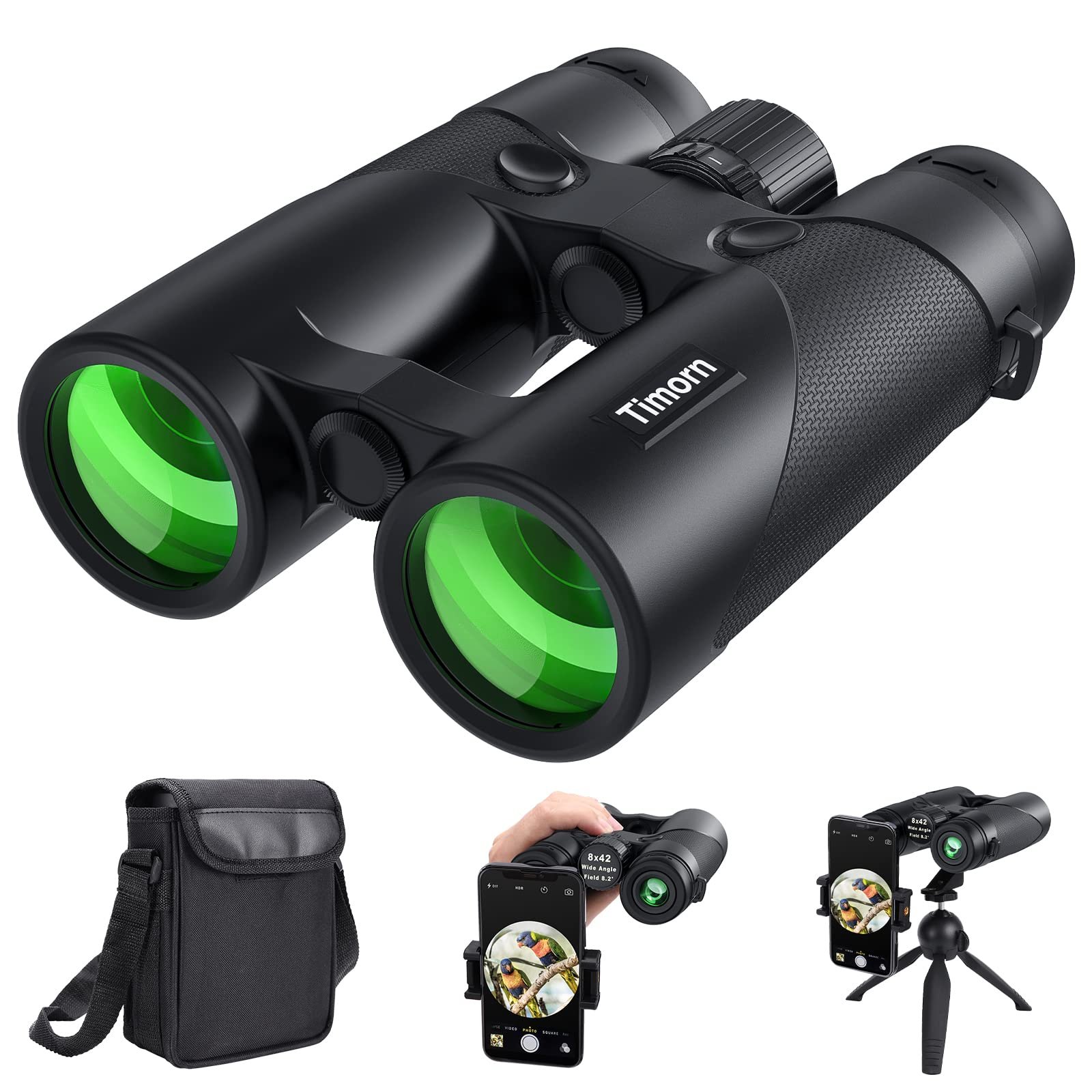
•Binoculars: A good pair of binoculars will allow you to get a closer look at the birds and appreciate their intricate details. Look for binoculars with a magnification of 8x or 10x. You can find a great selection of bird watching binoculars in our product recommendations below.
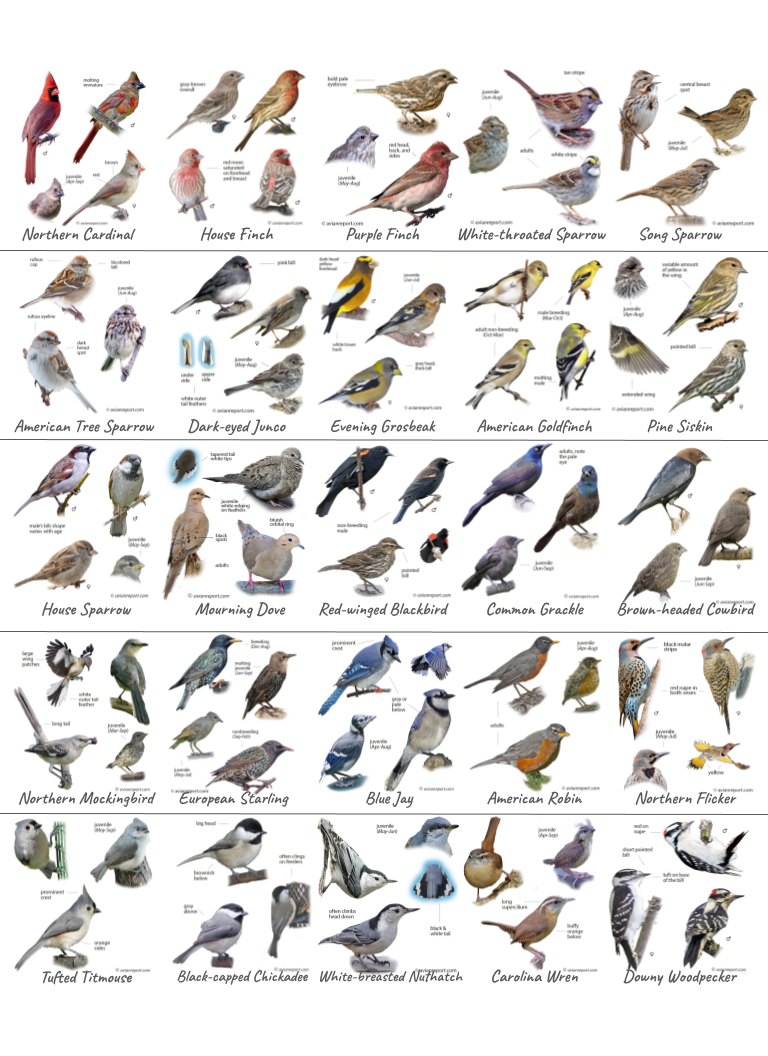
•Field Guide: A field guide will help you identify the different bird species that visit your yard. Choose a guide that is specific to your region for the most accurate information. There are also many excellent bird identification apps available for your smartphone.
Seasonal Bird Feeding: Year-Round Strategies
One of the most fascinating aspects of backyard birding is observing how bird populations change with the seasons. Understanding these seasonal patterns will help you provide the best care for your feathered visitors throughout the year.
Spring: The Season of Renewal
Spring is an exciting time for bird watching. Migratory birds return from their winter homes, and resident birds begin their breeding season. During this time, birds need high-protein foods to fuel their breeding activities. Offer mealworms, suet, and protein-rich seeds. Keep your feeders clean and well-stocked, as parent birds will bring their fledglings to your feeders to teach them where to find food.
Summer: Abundance and Activity
Summer brings an abundance of natural food sources, but maintaining your feeders will still attract birds to your yard. This is the best time to attract hummingbirds, as they are most active during the warm months. Make sure to clean your hummingbird feeders every two to three days to prevent fermentation and mold growth. Continue offering a variety of seeds, and consider adding a water feature or mister, as birds need to stay hydrated during hot weather.
Fall: Preparing for Migration
As fall approaches, many birds begin their migration south. They need to build up fat reserves for their long journey, so high-energy foods like sunflower seeds, peanuts, and suet are especially important. You may also notice new species passing through your area during migration. Keep your feeders full and your birdbaths clean to support these travelers.
Winter: A Critical Time
Winter is when your bird feeding efforts are most crucial. Natural food sources are scarce, and birds expend a lot of energy staying warm. Offer high-fat foods like suet, peanuts, and black-oil sunflower seeds. Consider using a heated birdbath to provide liquid water when natural sources are frozen. Winter is also an excellent time to attract species that you might not see during other seasons, such as pine siskins, redpolls, and evening grosbeaks.
Common Backyard Birds to Know
Learning to identify the birds that visit your yard adds another layer of enjoyment to backyard birding. Here are some of the most common species you’re likely to encounter:
Northern Cardinal
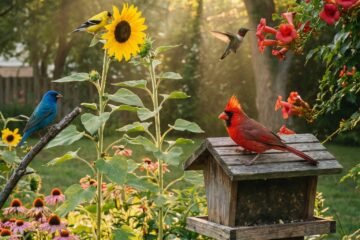
The brilliant red male cardinal is one of the most recognizable birds in North America. Both males and females have distinctive crests and strong, conical bills perfect for cracking seeds. Cardinals are year-round residents in much of the eastern United States and are frequent visitors to platform and hopper feeders.
American Goldfinch
These cheerful little birds are bright yellow in summer and olive-brown in winter. They love nyjer seed and will flock to tube feeders designed for small birds. Their undulating flight pattern and cheerful calls make them easy to identify.
Black-Capped Chickadee
Chickadees are curious, acrobatic little birds with distinctive black caps and bibs. They are regular visitors to feeders and will even eat from your hand if you’re patient. Their clear “chick-a-dee-dee-dee” call is one of the most recognizable bird sounds.
Ruby-Throated Hummingbird
The only hummingbird species that breeds in eastern North America, the ruby-throated hummingbird is a summer visitor that delights backyard birders with its aerial acrobatics. Males have an iridescent red throat patch that flashes in the sunlight.
Blue Jay
These large, intelligent birds are known for their striking blue plumage and loud calls. While they can be aggressive at feeders, they are fascinating to watch and play an important role in forest ecology by caching acorns.
The Rewards of Backyard Birding
Creating a bird-friendly backyard is a rewarding experience that will bring you years of enjoyment. By providing the basic necessities of food, water, shelter, and nesting sites, you’ll be rewarded with the daily spectacle of birds going about their lives. Whether you’re a seasoned birder or just starting out, there’s always something new to discover. From the first robin of spring to the last hummingbird of fall, each season brings its own special moments.
Backyard birding also offers important benefits beyond personal enjoyment. By creating habitat for birds, you’re contributing to conservation efforts and helping to support declining bird populations. Many bird species face threats from habitat loss, climate change, and other environmental challenges. Your backyard sanctuary, no matter how small, can make a real difference.
So, get started today and transform your backyard into a vibrant bird paradise! With the right feeders, food, and habitat features, you’ll soon be enjoying the sights and sounds of a thriving bird community right outside your window.
Our Top Product Picks for Your Backyard Bird ParadiseWe’ve curated a list of top-rated products on Amazon to help you get started. Using these links will help support our site at no extra cost to you!Feeders & Food:
•Easy-to-Clean Hummingbird Feeders
Bird Watching Gear:
•Professional Bird Watching Binoculars
•Regional Bird Identification Guides
Backyard Enhancements:
•Elegant and Functional Bird Baths


0 Comments