
As spring comes closer, birds start their journey back to their summer homes. To welcome these birds, you need to make your outdoor area inviting.
Creating a bird-friendly habitat is more than just setting up bird feeders or baths. It needs careful planning to make your space safe and welcoming for birds.
By getting your outdoor area ready, you can watch the spring bird migration right in your neighborhood.
Key Takeaways
- Create a bird-friendly habitat to attract spring birds
- Prepare your outdoor space with bird feeders, bird baths, and native plants
- Ensure a safe environment for birds by avoiding hazards
- Enjoy the beauty of spring bird migration in your neighborhood
- Enhance your outdoor space with bird-friendly features
Understanding Spring Bird Migration Patterns
Spring brings a stunning show of bird migration. Many species return to their breeding grounds. This is a great time for bird lovers to see old friends and discover new ones.
Common Bird Species That Return in Spring
Spring welcomes back many bird species to their summer homes. Warblers, orioles, and hummingbirds are among the most common. They come from Central and South America, adding color and song to our skies.
Migration Timing Across Different US Regions
Bird migration times vary across the US. Birds start in the south, arriving in late February or early March. As the weather gets warmer, they move north. By April and May, they reach the northern states and Canada.
- The southeastern US sees an early influx of migrants, including species like the American Robin and Red-winged Blackbird.
- The northeastern US experiences a slightly later migration, with species such as the Black-and-white Warbler and American Goldfinch arriving in April and May.
What Birds Look for in a Habitat
Birds seek habitats with food, shelter, and breeding grounds. In backyards, this means native plants, water, and the right food. Knowing these needs helps create a welcoming space for birds.
The Importance of Early Preparation
Preparing your yard early is crucial for attracting birds. By getting your yard ready, you meet their needs. This includes setting up feeders, providing fresh water, and making a safe space.
Assessing Your Current Backyard Environment
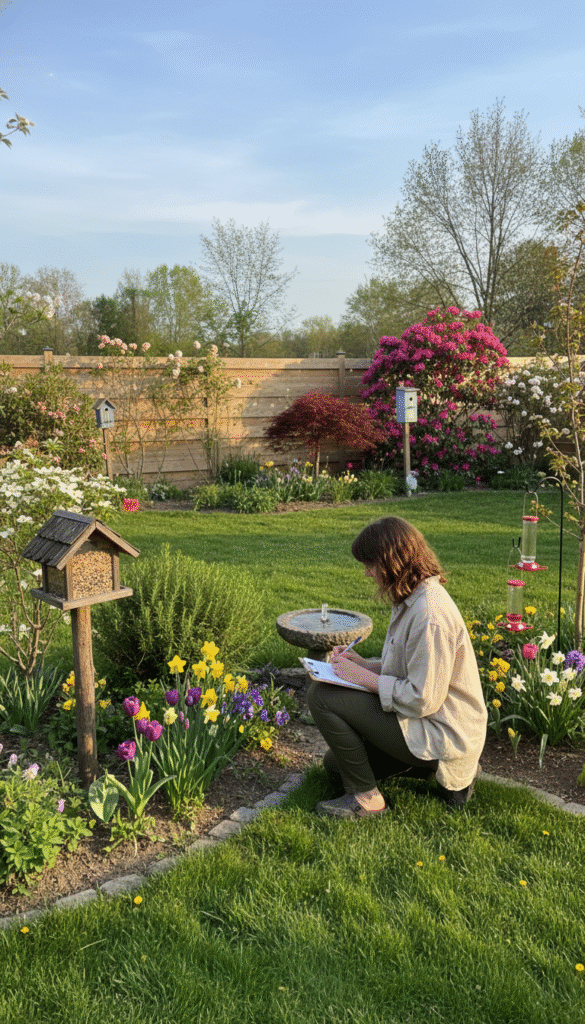
Start by checking your backyard for spring bird visitors. Look where birds land, eat, and hide. This helps you see what your yard offers and what it lacks.
Evaluating Existing Resources for Birds
First, see what your yard already gives birds. Look for food sources like berry plants or seed-bearing trees. Also, check for water features like birdbaths or ponds. Note the areas birds like most and the types of birds you see.
Identifying Potential Hazards
Next, find out what dangers your yard might have for birds. Watch for collisions with windows, predation by outdoor cats, or exposure to pesticides. Knowing these risks lets you make your yard safer for birds.
Creating a Bird-Friendly Landscape Plan
After assessing, plan to make your yard better for birds. You might add native plants, bird feeders, or nesting boxes. Changing your yard’s layout can also help provide better shelter and variety.
Conducting a Seasonal Yard Audit
Lastly, do a yard audit for the season. Check your bird feeders, birdbaths, and other features. Make sure they’re clean and working right. This audit will show you what to do last-minute to welcome spring birds.
Getting Your Backyard Ready for Spring Birds: Essential Preparations
As spring comes, it’s key to get your backyard ready for birds. To attract these feathered friends, follow a spring checklist. It should include items birds will love.
Timing Your Preparations for Maximum Impact
The timing of your preparations is very important. Begin by cleaning up winter debris, like fallen leaves or branches. This makes your yard inviting and safe for birds.
Creating a Bird-Friendly Ecosystem
To make your yard bird-friendly, think about different bird needs. Offer food like bird feeders and plants with berries or seeds. Also, provide water sources like bird baths or small ponds.
Balancing Human and Bird Needs in Your Space
It’s important to balance human and bird needs. You can set up areas for bird watching and others for people. Using native plants helps by giving birds what they need without taking up too much space.
Spring Cleaning for Bird Areas
Spring cleaning is crucial for bird areas. Regularly clean bird feeders and baths to stop disease spread. Also, refresh bird-friendly plants by pruning or replacing them. This keeps your yard lively and attractive to birds.
By doing these essential preparations, you can make your backyard a welcoming spot for spring birds. Enjoy their beauty and songs all season long.
Setting Up Bird Feeders for Spring Arrivals
Spring is a key time for birds. They need the right food from bird feeders to make your yard welcoming. As the weather gets warmer, birds migrate back to their summer homes. A well-stocked bird feeder can be a big draw for them.
Selecting the Right Types of Feeders
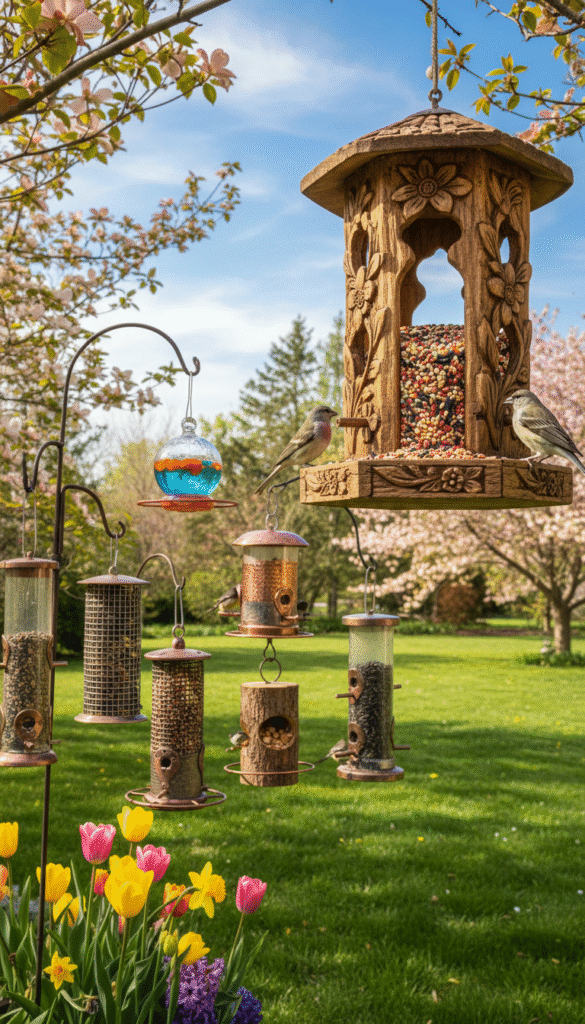
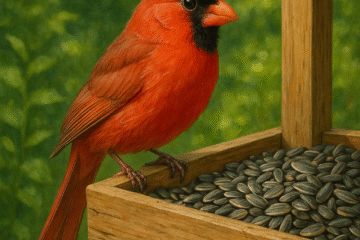
The type of bird feeder you pick can really affect the birds you attract. Different birds like different feeders. For example, tube feeders are perfect for finches and small birds. On the other hand, platform feeders are better for larger birds like cardinals and doves.
Think about the birds you want to see and how easy the feeder is to clean. Some feeders even have features to keep squirrels out, which is great if you don’t want them stealing your bird food.
Best Feeder Placement Strategies
Where you put your bird feeder is just as important as the type of feeder. Visibility and safety are key. Place feeders in open spots where birds can see them easily, but not so they’re exposed to predators.
- Put feeders near windows for a good view, but use decals or other visual deterrents to stop bird collisions.
- Make sure feeders are at least 10 feet away from any structures to avoid squirrel jumps.
- Consider the height: some birds like feeding on or near the ground, while others prefer higher feeders.
Recommended Seed Types for Spring Birds
The seeds you offer can attract many bird species. In spring, birds need high-energy foods to refill their energy after migration. Nyjer seed and black oil sunflower seeds are great choices. They are full of calories and attract many birds.
| Seed Type | Attracts | Benefits |
|---|---|---|
| Nyjer Seed | Finches, sparrows | High in oil, provides energy |
| Black Oil Sunflower Seeds | Cardinals, chickadees | Easy to crack open, rich in fat |
| Safflower Seeds | Doves, finches | Squirrel-resistant, less mess |
Cleaning and Maintaining Feeders
Cleaning and maintaining bird feeders is key to stop diseases in birds. Clean feeders at least once a month with a mix of water and bleach. Dry them well before filling them again.
Specialized Feeders for Specific Species
Some birds have special feeding needs. For example, hummingbirds love sugar-water nectar, while woodpeckers and nuthatches prefer suet. Using the right feeders can attract more birds to your yard.
Providing Fresh Water Sources
Spring bird visitors need more than food; they also need fresh water. Water helps keep their feathers in good shape and keeps them warm on cool nights.
Bird Bath Options and Installation
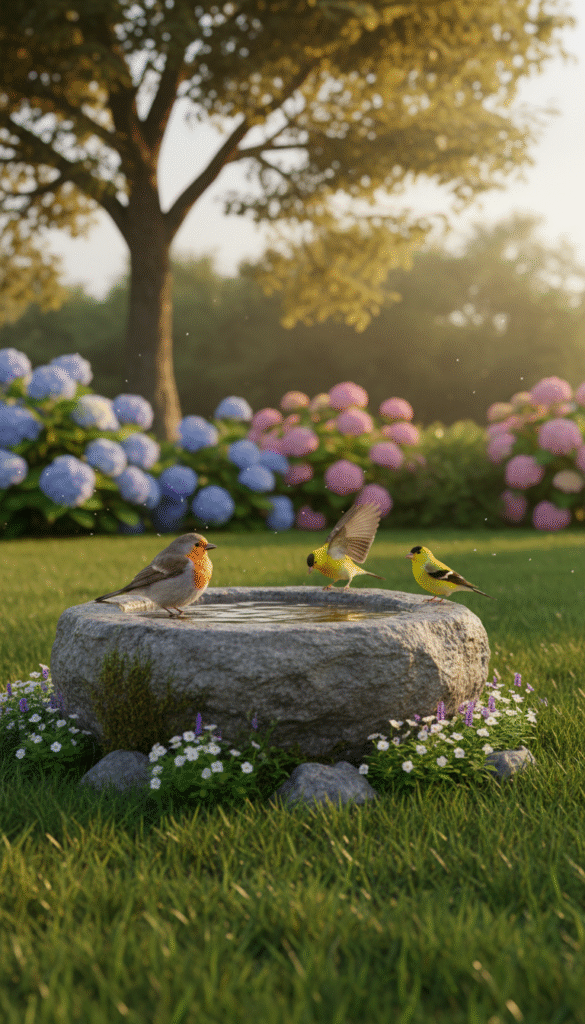
A decorative bird bath is a great addition to your backyard. Pick one that’s sturdy and easy to clean. Make sure it’s installed on a level surface or a pedestal for safety and ease of cleaning.
Creating a Simple Backyard Pond
For a bigger water feature, think about a simple backyard pond. It’s a beautiful way to offer water for birds and other wildlife. Make sure there’s a shallow area for birds to land and get water easily.
Maintaining Clean Water Sources
Keeping the water clean is key. Change the water often and scrub the bath or pond to remove algae and debris.
| Water Feature | Maintenance Task | Frequency |
|---|---|---|
| Bird Bath | Change water, scrub bath | Every 2-3 days |
| Backyard Pond | Check water level, clean filters | Weekly |
| Moving Water Feature | Inspect for clogs, clean pump | Monthly |
Adding Moving Water Features
Moving water is very attractive to birds. Adding a small fountain or mister to your bird bath or pond can create movement and sound.
Winter-to-Spring Water Source Transition
As winter turns to spring, make sure your water sources are unfrozen and accessible. Check your bird baths and ponds often to stop ice from forming.
By offering a reliable and clean fresh water source, you can attract many bird species to your backyard. This supports their health during the spring season.
Creating Nesting Opportunities
As spring comes, birds look for safe spots to nest and raise their young. This is the best time to make your backyard a nesting haven. The right environment can draw in many species and help them breed.
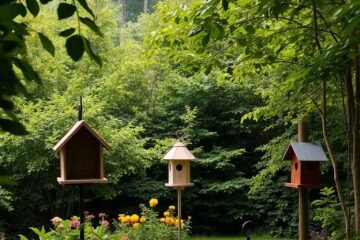
Installing Birdhouses and Nesting Boxes
Installing birdhouses and nesting boxes is a great way to offer nesting spots. It’s important to pick the right type for the birds you want to attract. Different species have different needs.
Key Considerations:
- Choose birdhouses or nesting boxes that are designed for the species you’re trying to attract.
- Ensure the birdhouse is made from durable, weather-resistant materials.
- Consider the ease of cleaning and maintenance.
Proper Dimensions and Placement for Different Species
The size and where you place birdhouses matter a lot. For example, bluebirds like small holes in open areas. Robins prefer more hidden spots.
| Bird Species | Entrance Hole Diameter | Preferred Placement |
|---|---|---|
| Bluebirds | 1.5 inches | Open areas, 3-5 feet off the ground |
| Robins | No specific hole, open platform | Tree branches or ledges, 3-10 feet off the ground |
Providing Nesting Materials
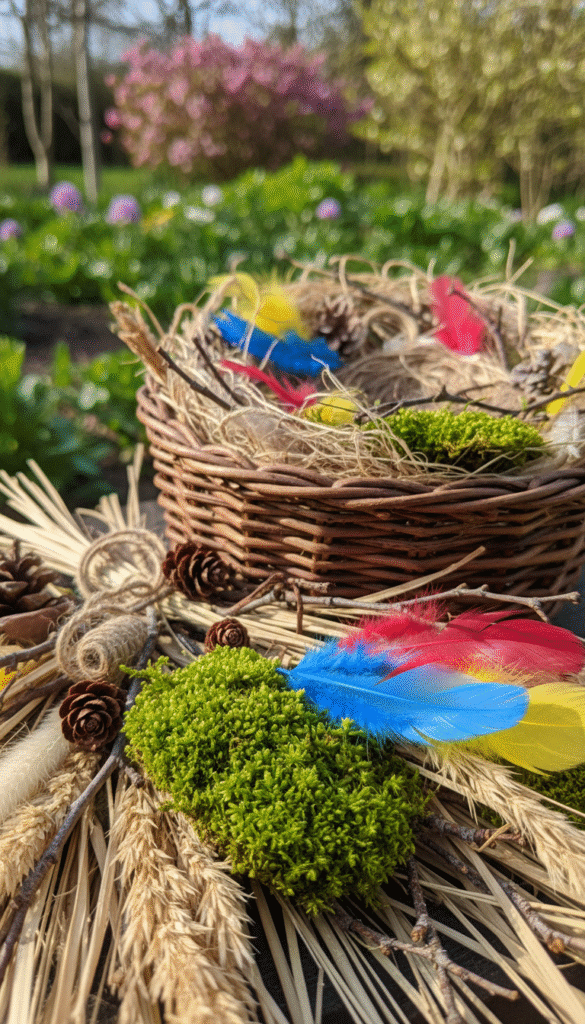
Offering nesting materials can also help birds nest in your yard. Twigs, grasses, and mud are great for building nests.
Natural Nesting Site Enhancement
To enhance natural nesting sites, keep your yard’s natural look. This means keeping native plants, preserving dead trees, and creating brush piles.
Maintenance and Monitoring of Nest Boxes
Keeping nest boxes clean and safe is crucial. This means cleaning out old nests, fixing any damage, and watching for predators.
Tips for Maintenance:
- Clean nest boxes after each brood has fledged.
- Check for signs of damage or wear and tear.
- Consider adding predator guards to protect the birds.
Planting Bird-Friendly Native Vegetation
Native plants are essential for a bird-friendly backyard. They offer shelter, food, and breeding spots for birds. Adding native plants to your yard can attract birds all year.
Best Native Plants for Bird Habitats
Picking the right native plants is key for a bird-friendly space. Trees and shrubs are great because they offer shelter and food. Here are some top picks:
- Oak trees, which support many bird species
- Dogwood, known for its berries that attract birds
- Butterfly bush, a favorite of hummingbirds
Creating Multi-Layer Vegetation
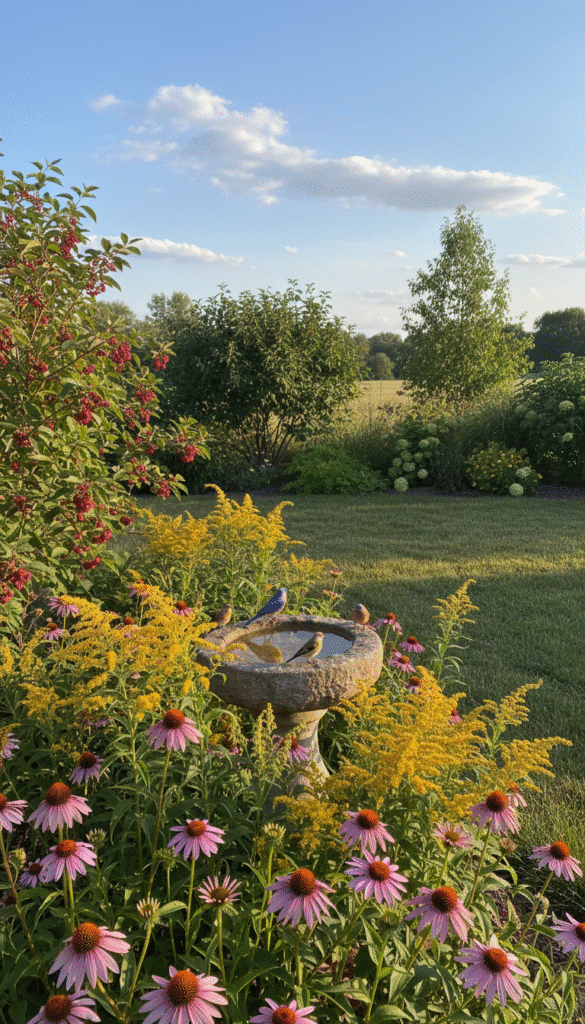
A multi-layered garden is vital for diverse bird life. Plant a mix of trees, shrubs, and groundcover. This setup offers birds different habitats, from nesting to food.
Spring Planting Timeline for Bird Support
Planting at the right time is crucial for bird support. Early spring is best for planting native plants. This lets them grow strong before the birds need them.
Avoiding Invasive Species
It’s also important to not plant invasive species. Invasive plants can crowd out native plants, harming local ecosystems and bird habitats.
| Native Plant | Bird Benefit | Growth Habit |
|---|---|---|
| Black-eyed Susan | Seed source for finches | Perennial |
| Red Maple | Nesting site, sap for sapsuckers | Tree |
| Blueberry Bush | Fruit for various birds | Shrub |
Creating Natural Food Sources Through Plantings
Choose plants that give berries, seeds, or nectar for birds. This not only draws birds but also meets their nutritional needs all year.
Minimizing Hazards and Predator Concerns
To make your backyard safe for spring birds, you need to tackle potential dangers. As you get your yard ready, think about the risks birds might face. Then, take steps to lessen these risks.
Window Collision Prevention
Window collisions are a big problem for birds. They might not see glass, which looks like the sky or trees. To stop this, use visual decals or stickers on your windows. These markers help birds know the glass is a barrier.
Another good idea is to use window films. These make glass more visible to birds.
Managing Domestic Pets
Domestic pets, like cats, can harm visiting birds. To keep this risk low, keep your cats indoors during peak bird activity hours. You can also build a catio or a screened area. This lets your cat enjoy the outdoors safely.
Deterring Unwanted Predators
Predators like raccoons, snakes, and squirrels can also be a threat. To keep them away, make sure bird feeders and nesting boxes are securely installed and maintained. Use squirrel baffles on poles and place nesting boxes where predators can’t reach them.
Avoiding Harmful Chemicals and Pesticides
Using harmful chemicals and pesticides can harm birds. Instead, use integrated pest management techniques that are better for the environment. This could mean removing pests by hand, using natural methods, or adding beneficial insects to your garden.
Safe Bird Feeding Practices
When feeding birds, follow safe bird feeding practices. Clean your feeders often, store birdseed right to avoid mold, and pick the right seed for the birds you want to attract. Don’t overfill feeders, as this can waste food and attract pests.
By tackling these hazards and taking action, you can make your yard safer for spring birds. A bird-friendly yard is more than just food and shelter. It’s also about keeping risks low and ensuring birds’ well-being.
Documenting and Enjoying Your Backyard Birds
Watching birds in your backyard is a joy. It shows us how gardens connect to the wider world. By recording and enjoying these moments, we grow to love nature more and help scientists understand bird life.
Setting Up a Bird Watching Station
Make a special spot for bird watching. Set up a cozy area near a window or in your garden. Get a good pair of binoculars to see birds up close without scaring them.
Photography Tips for Backyard Birds
Good bird photos need patience and the right tools. Use a camera with a telephoto lens for clear shots. Place a camera near feeders or bird baths to catch their actions.
Keeping a Backyard Bird Journal
Keeping a bird journal is helpful. Note the date, time, and bird species you see. It’s also great for joining citizen science projects.
| Bird Species | Date First Seen | Frequency of Visits |
|---|---|---|
| American Robin | March 10 | Daily |
| Red-winged Blackbird | March 15 | Several times a week |
Participating in Citizen Science Projects
Groups like the Cornell Lab of Ornithology invite you to help with bird studies. Join the Great Backyard Bird Count to aid scientists in learning about bird numbers and migrations.
Sharing Your Backyard Bird Sanctuary with Others
Share your bird-friendly garden with others. Invite friends over, post on social media, or host bird-watching events. Joining local birding groups is also a great way to meet fellow bird lovers.
Conclusion: Maintaining Your Bird-Friendly Backyard Year-Round
Creating a bird-friendly backyard is rewarding and requires effort. But the benefits are worth it. We’ve talked about how to prepare your yard for spring birds. This includes understanding migration patterns and making your yard welcoming.
To keep your bird-friendly backyard inviting, you need to keep working. Add native plants, keep water sources fresh, and avoid hazards. This way, you’ll make your yard a great place for local birds.
Remember, year-round maintenance is key. Birds have different needs in each season. For example, leave plants up in winter for shelter and food. In spring and summer, focus on nesting sites and food.
By following these tips and learning about your local birds, you can enjoy their songs and beauty for years. You don’t need to change everything at once. Start with small steps like leaving plants up and choosing the right plants.


0 Comments