
I love watching tiny hummingbirds zip around my yard. These little creatures are only about four inches long. They need a steady supply of food to feel at home.
By creating a welcoming spot, your outdoor space can become a sanctuary. You can attract these shimmering and curious avian visitors. It just takes a bit of thoughtful planning.
I have found that attracting these small birds requires careful setup. The goal is to make your garden a favorite destination for them. When you get it right, they will make your home part of their daily routine.
My aim is to help you find the best locations for your equipment. With a reliable food source, these fascinating animals often return year after year. A well-planned setup lets you enjoy the show from your own window.
Key Takeaways
- Hummingbirds are small, active birds that require consistent nourishment.
- Your yard or garden can be transformed into a safe haven for them.
- Choosing the right spot for your feeder is the most important step.
- A proper setup encourages daily visits from local hummingbird populations.
- Providing a reliable food source can make them return season after season.
- Strategic placement allows for easy and enjoyable bird watching from home.
- This guide will help you identify prime locations around your property.
Understanding the Benefits of Thoughtful Feeder Placement
Thoughtful placement of your feeder offers dual benefits: a safer environment for hummingbirds and a better view for you. Expert birder Melissa Mayntz agrees. She notes that where you position your nectar station is the most critical factor for success.
This isn’t just about hanging a container. It’s about creating a welcoming and functional hub. The right spot makes all the difference for both you and your winged guests.
Enhancing the Viewing Experience
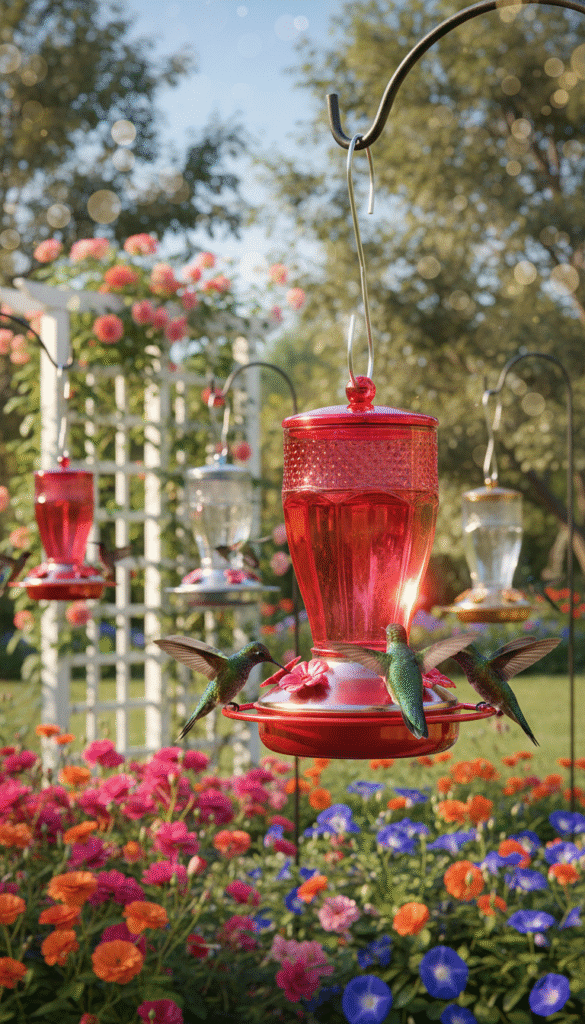
I position my feeders where I spend time relaxing. A clear line of sight from a window or patio is perfect. This strategic placement turns birdwatching into a daily pleasure.
You get to observe their iridescent colors and acrobatic dives up close. It’s a front-row seat to nature’s show without disturbing the performers.
Improving Bird Safety and Nectar Freshness
Safety is my top priority. I hang feeders away from areas where cats might lurk. This gives the small birds a clear escape route.
Nectar freshness is equally vital. Direct, hot sun makes sugar water spoil fast. It can grow harmful mold and bacteria.
I choose spots with afternoon shade. This keeps the nectar cool and safe for hummingbirds to drink. They stay healthy and keep returning.
| Placement Factor | Ideal Placement | Poor Placement |
|---|---|---|
| Viewing Quality | Clear sightline from a frequented window | Hidden behind dense bushes or structures |
| Bird Safety | Several feet from cover, away from predator access | Too close to hiding spots for cats or too low to the ground |
| Nectar Longevity | Receives morning sun and afternoon shade | In full, intense sunlight all day long |
17 Awesome Place to Hang Hummingbird Feeders
The secret to a bustling hummingbird hub lies in strategic positioning of your feeding equipment. It’s more than just picking a random spot. You are creating a destination that meets all their needs for safety and nourishment.
Why I Love This Approach
I adore this method because it taps into the bird’s natural curiosity. Bright red ports on a nectar station are irresistible to them. They are visual hunters drawn to vibrant colors in their environment.
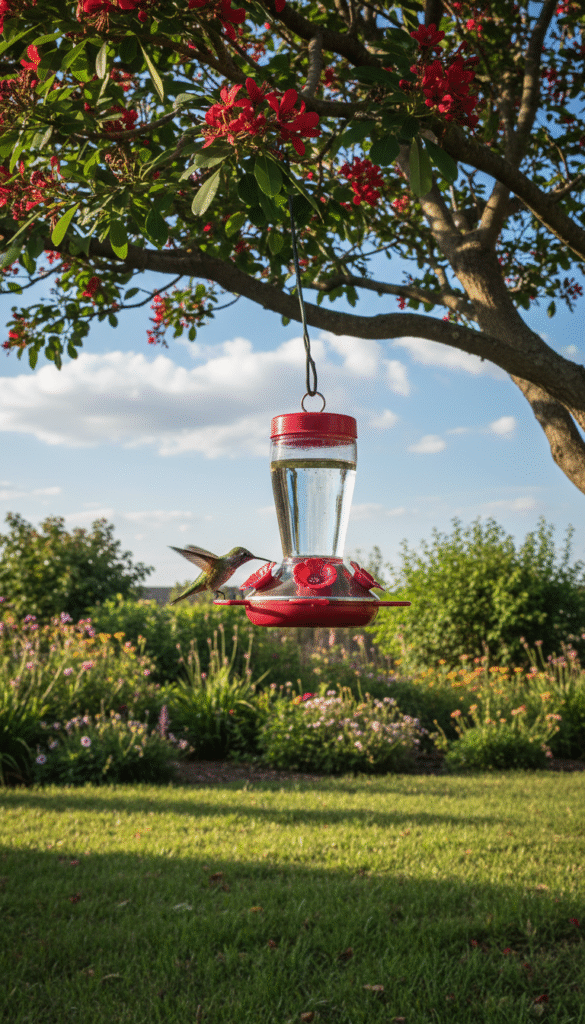
This setup creates a reliable food source in your yard. Once they find it, they will visit daily. You get consistent, close-up views of their amazing behavior without any effort.
The Impact on Bird Attraction
Research on banded birds documents strong site fidelity. Hummingbirds return to the same feeder location year after year with great accuracy. By establishing your station now, you ensure seasonal visitors for many seasons to come.
Correct placement attracts a diverse group. You might see different species over time. Your garden becomes a vital part of their migration route and a trusted pit stop.
Finding the Perfect Spots in Your Backyard
Your backyard holds many ideal spots for a hummingbird feeding station. The areas closest to your house often work best. They let you watch the birds easily while keeping them safe.
Near Windows and Glass Doors
Placing a nectar station near a window seems perfect for viewing. But glass can be dangerous for fast-flying birds. You must consider distance carefully.
I follow a simple rule. Hang your equipment at least 10-12 feet away from any window. This gives birds space to avoid a collision.
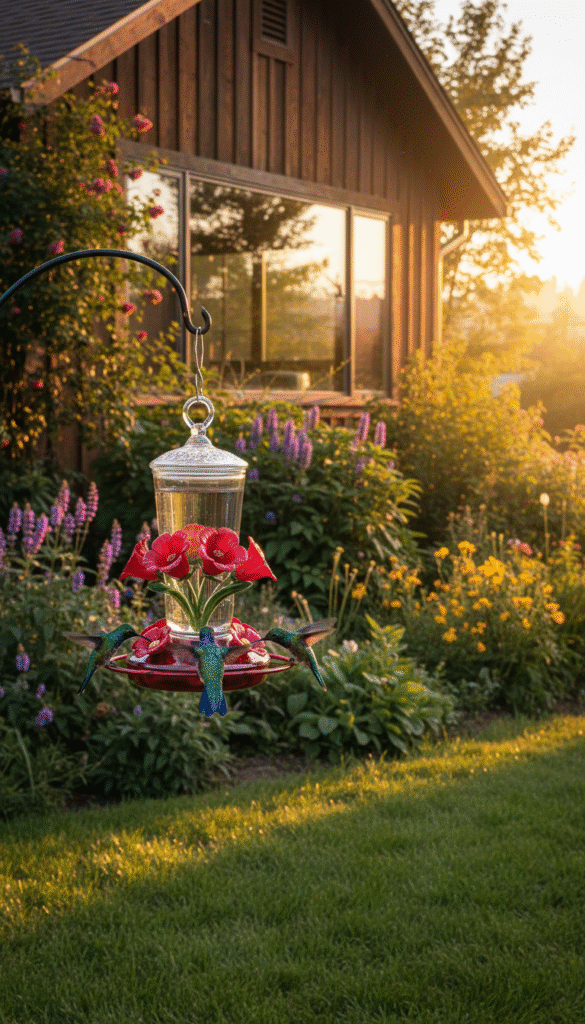
There is a clever alternative. You can place your equipment very close, within three feet of the glass. At this range, birds cannot build up dangerous speed.
Both methods keep hummingbirds safe. They also let you see every visit from your favorite room.
On Porches, Gazebos, and Deck Railings
These structures are fantastic locations. A porch railing or gazebo post offers a stable anchor. It brings the action close to your living space.
I often choose a spot with some overhead cover. This provides shade and a sense of security. The birds appreciate a little roof from the sun.
Make sure there is enough room around the feeding port. Hummingbirds need space to hover and dart away. A clear area prevents accidents.
This setup creates a perfect observation post. You can enjoy their antics just steps from your door.
Balancing Sunlight and Shade for Optimal Nectar
I always check the sun’s path in my yard to find the perfect spot for my feeder. Getting the balance right is key for keeping nectar fresh.
Too much heat spoils sugar water fast. Too little light can make the area uninviting. The goal is a happy medium.
Managing Heat to Prevent Spoiled Nectar
Direct sun is the enemy of fresh nectar. When temperatures hit 80 degrees or higher, you must clean your equipment every day or two.
Fermentation happens quickly in the heat. This can make hummingbirds sick. I look for a location that gets sun in the cool morning but is protected by shade during the hot afternoon.
This simple shift slows spoilage. It keeps the food supply safe for your tiny visitors.
Using Natural Shade for Comfort
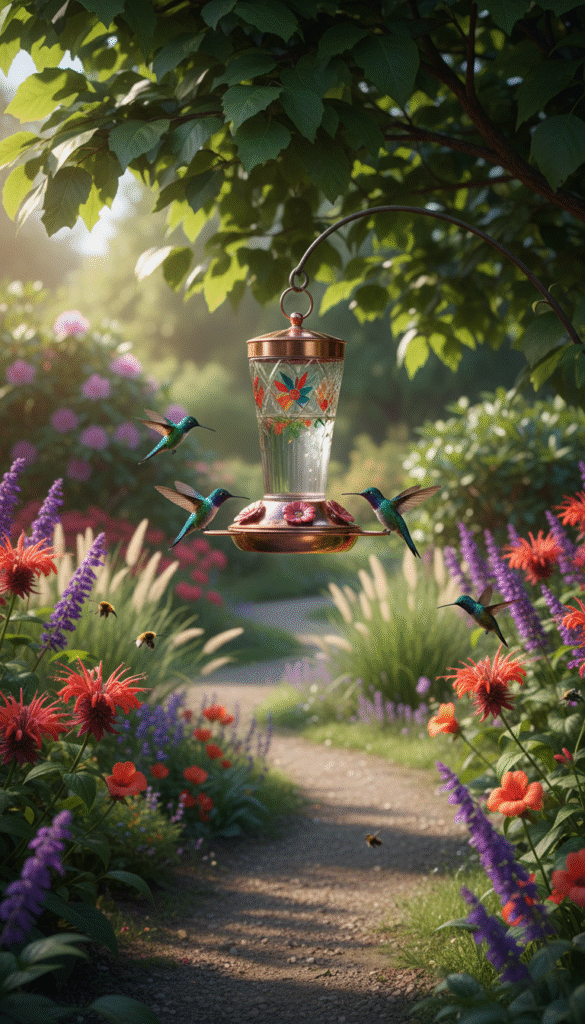
Natural shade from a tree or porch roof is ideal. It creates a cooler microclimate around the feeder.
This comfort matters to the birds. They can feed without being exposed to harsh, excessive heat. Choosing areas with built-in shade makes maintenance easier for you, too.
| Strategy | Benefit | Consideration |
|---|---|---|
| Morning Sun Placement | Warms nectar slightly, making it more appealing in cool hours. | Ensure the spot is clear of obstructions for early light. |
| Afternoon Shade Coverage | Dramatically slows fermentation and bacterial growth. | Use structures or tree canopies that cast consistent shadow. |
| Monitoring Local Weather | Allows you to adjust cleaning frequency and feeder placement. | Be extra vigilant during unexpected heat waves. |
By managing sun exposure, you protect your nectar. You also create a more comfortable dining area for every hummingbird that visits.
Creating Safe and Accessible Feeding Stations
My top priority when setting up a new feeder is always the safety of the birds. A station must be easy for them to find and use, but also designed to keep threats at bay. This balance is the foundation of a truly welcoming space.
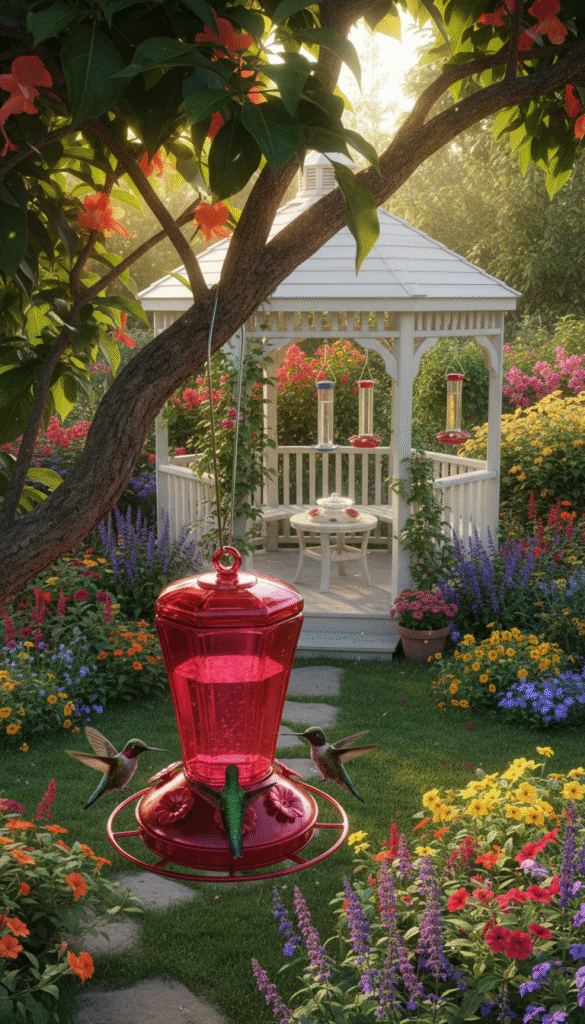
Preventing Predator Access
Common predators like cats are a major concern. I always hang my feeder between 4 and 6 feet high. This height makes it tough for a cat to leap up and snatch a hummingbird while it’s feeding.
Keeping the immediate area open is just as important. I avoid dense bushes or thick foliage right next to the station. An open yard gives these small birds a clear view. They can spot danger early and dart to safety.
You also need to watch for surprising predators. A praying mantis can catch a hummingbird. If I see one near my feeders, I carefully relocate it. A little vigilance goes a long way in protecting your tiny visitors.
Designing with Nature: Incorporating Flowers and Greenery
Integrating living plants into your garden design elevates it from a simple feeding spot to a true sanctuary. This approach makes your outdoor space more inviting and functional for our tiny, flying friends.
Your nectar feeders provide a vital supplement. But pairing them with blooming plants creates a complete habitat. This combination is far more effective than either element alone.
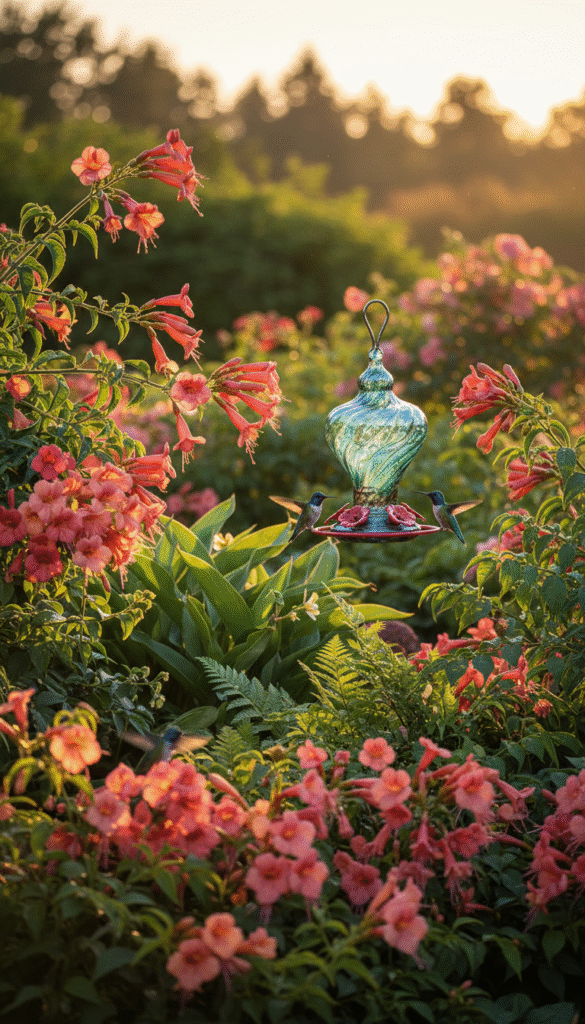
Complementing Feeders with Tubular Flowers
Tubular blooms are perfect partners for your feeder. Their shape is a natural fit for a hummingbird’s long beak and tongue. These flowers offer a natural nectar source.
They also attract small insects. This supplies essential protein for the birds’ diet. It creates a balanced menu right in your yard.
I always recommend using native species. The U.S. Forest Service has excellent guides on the best plants for your region. Native flowers are adapted to local climate and hummingbirds.
By combining nectar feeders with a variety of flowers, you support the birds through the entire season. This design encourages them to stay longer and visit more often. Your garden becomes a healthier, more attractive destination for them.
Spacing and Placement to Avoid Crowding
One of the biggest challenges in attracting multiple hummingbirds is managing their territorial nature. These tiny birds can be fiercely protective of a food source. Smart spacing is the key to creating a peaceful environment where more can enjoy a meal.
Allowing Room for Hovering and Maneuvering
Each hummingbird needs clear airspace to approach and leave a feeder safely. I always make sure there are no obstructions like thick branches or walls within a few feet. This gives them the room they need to hover and dart away quickly.
An open area around your nectar feeders prevents accidents. It also stops dominant hummers from easily guarding the entire station. When birds have space to maneuver, feeding becomes less stressful for everyone.
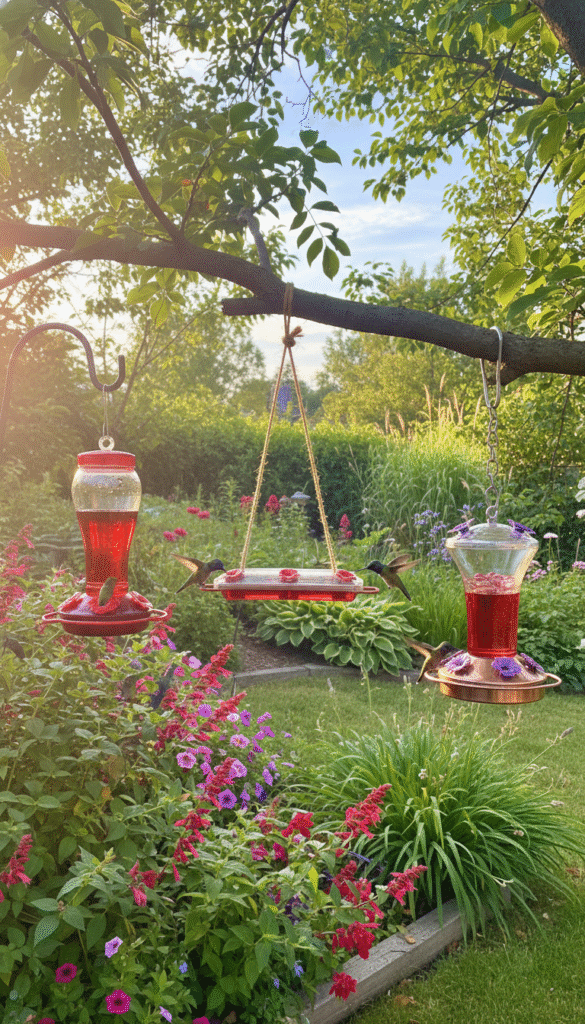
Minimizing Aggression Among Hummingbirds
To reduce squabbles, I space multiple feeders at least 10 to 20 feet away from each other. Placing them in different parts of the garden or on separate sides of the house works well. This tactic makes it hard for one bird to dominate all the food.
It’s also crucial to hang feeders away from seed or suet stations. Those areas often attract larger birds and potential predators. Keeping your hummingbird feeder in its own quiet area provides a safer dining experience.
Many people find that with this strategy, more hummingbirds visit calmly. You give each one a fair chance to feed without constant chasing.
Tips from My Personal Experience in Setting Up Feeders
The real secret to a thriving hummingbird station isn’t just where you put it, but how easily you can maintain it. Over time, I’ve found that simple, practical habits make all the difference in keeping your tiny visitors happy and healthy.
Easy Reach for Regular Cleaning
I always hang my feeder in an easy reach location. This ensures I never skip the essential weekly cleaning. In cool weather, I scrub the nectar reservoirs once a week.
During hot spells, I increase this to every day or two. Spoiled sugar water can harm hummingbirds. A convenient place, like near a porch railing, saves time and guarantees fresh food.
If you place your equipment too high or out of the way, you’re more likely to neglect this chore. Keeping it close to the house lets you monitor conditions quickly.
Observations on Feeder Maintenance
My experience shows that smart placement supports good maintenance. I hang feeders at least 10-12 feet from any glass window. This gives birds safe flying room and lets me watch them easily.
I also take time to observe the hummingbirds. Their behavior tells me the best way to manage the station. Watching them helps me spot issues like a wobbly feeder.
Always make sure your equipment is secure. A tipped-over feeder spills precious nectar and wastes your effort. A stable, accessible setup in your yard is the key to consistent success.
Conclusion
Attracting hummingbirds successfully hinges on combining safety, visibility, and convenience. By following the tips shared, you can create a secure and inviting environment. This will draw these energetic hummingbirds to your home all season long.
Remember, consistent maintenance and smart placement of your feeder are key. A well-positioned feeder keeps your hummingbird visitors healthy and encourages their return year after year. Whether you pick a spot by a window or a pole in the garden, your effort pays off.
You will be rewarded with the sight of a beautiful, shimmering hummingbird. Always put their safety first. Keep your equipment clean and place it in an easy reach location for you.
I hope you enjoy many hours of fun. Watching these fascinating birds visit your own backyard feeders is a true delight.



0 Comments