In recent years, the idea of emotional support animals has gained huge traction across the United States. People are constantly looking for new ways to handle stress and improve their mental health. Traditional pets like dogs and cats are common helpers.
🗺️ State Bird Shirts — Wear Your State Pride
Beautiful state bird tees for every bird-loving local and traveler.
🛒 Shop State Bird Shirts on Etsy



Now, a surprising alternative is capturing hearts. A small flock in your own outdoor space offers unique therapeutic benefits. Many individuals find that tending to these feathered friends brings a deep sense of calm and purpose.
The daily routine of care provides a comforting structure. Simple acts like feeding and watching these gentle creatures can ease anxiety. This interaction offers a genuine connection that lifts spirits.
This growing movement highlights how support can come from unexpected places. These birds are more than just livestock; they are becoming valued companions. They offer a special kind of comfort for modern mental well-being.
Key Takeaways
- Emotional support animals are a popular way for Americans to manage stress.
- Beyond dogs and cats, feathered animals from a home flock are emerging as effective companions.
- The routine of caring for these creatures provides emotional stability and a sense of purpose.
- Interacting with them can significantly reduce feelings of anxiety and loneliness.
- This trend shows that therapeutic benefits can be found in simple, everyday connections with animals.
- These birds are increasingly viewed as essential partners for mental health, not just farm animals.
Introduction to the World of Backyard Chickens Therapy
Love Birds? Shop Our Etsy Store!
Faith-filled bird shirts, mugs & gifts — beautifully printed & shipped fast. 122+ designs, 5-star rated.
🛒 Shop YourBirdBuddyShop on EtsyStructured programs involving gentle birds are demonstrating significant positive impacts on human well-being in various settings. This practice moves beyond casual pet ownership into a focused therapeutic interaction.
What Is Backyard Chickens Therapy?
It is a form of animal-assisted intervention. Participants engage in the gentle care of docile hens and chicks. This structured interaction provides a meaningful daily routine.
The predictable behavior of these feathered friends offers a deep sense of comfort. This is essential for managing daily stress and anxiety. The focus is on connection and calm.
| Aspect | Traditional Therapy Animals | Therapy Chickens |
|---|---|---|
| Primary Environment | Homes, clinics, varied public spaces | Often care homes, residential facilities, private yards |
| Interaction Style | Active play, walking, direct cuddling | Observational, gentle handling, feeding routines |
| Calming Mechanism | Dynamic companionship and exercise | Rhythmic, predictable behavior and soft sounds |
| Suitability for Quiet Settings | Can be stimulating | Exceptionally well-suited for calm environments |

The Rise of Emotional Support Chickens in the USA
Programs like Furry Tales, founded in 2013, bring Pekin Bantam birds to elderly care home residents. The goal is connection and joy.
In the United States, facilities like the Life Care Center of Nashoba Valley use them successfully. Residents with Alzheimer's watch and interact with the flock. This improves their daily mood and mental health.
Many people find this unique experience vital for emotional support. The rise shows a growing appreciation for alternative animal companions.
Mental Health Benefits of Backyard Chickens Therapy
From reducing feelings of isolation to improving daily focus, the positive impacts are both measurable and deeply personal. These feathered companions offer a unique form of support that addresses multiple aspects of well-being.
Emotional and Cognitive Benefits
Programs like Henpower, started in 2011, show remarkable results. Caring for hens significantly reduced the need for antipsychotic medicine in care home residents.
Personal stories echo this data. Paul Checkley found that a daily routine with his animals helped him manage severe depression. The responsibility gave him a renewed sense of purpose.
This engagement also sharpens the mind. Many people show better focus and memory when tending to their birds.

Social and Physical Advantages
These feathered friends are natural conversation starters. They help combat social isolation for those who find human interaction difficult.
The simple acts of collecting eggs or cleaning the coop provide gentle physical activity. This care creates a grounding experience that stabilizes mood throughout the day.
By fostering a connection to life and nature, these animals offer a holistic path to better health.
Practical Tips for Caring for Your Feathered Therapists
The success of your animal-assisted support hinges on a safe habitat and consistent daily habits. A well-planned environment and routine are vital for your flock's health and your own peace of mind.
Setting Up a Safe Coop and Run
Your birds need a secure space. A sturdy coop protects them from predators and bad weather. The run should offer room to scratch and explore.
Cleanliness is crucial for animal well-being. Products like First Saturday Lime keep the coop hygienic and odor-free. This creates a pleasant home for everyone.
Facilities like The State Hospital in Scotland use this structured care to help patients. It builds compassion and a daily routine.

Daily Routines and Maintenance Strategies
Consistency is key. Feed your hens at the same time each day. This predictable behavior can help manage anxiety.
Regular interaction strengthens your bond. Check for fresh eggs and provide clean water. These simple acts foster a deep connection.
You are not just keeping pets. You are crafting a therapeutic experience that supports mental health.
| Key Task | Recommended Frequency | Primary Benefit |
|---|---|---|
| Provide Fresh Food & Water | Daily | Ensures hydration and nutrition for your birds |
| Collect Eggs & Observe Flock | Daily | Encourages reward and monitors animal health |
| Clean Bedding & Coop Surfaces | Weekly | Maintains hygiene and controls odor |
| Inspect for Pests & Damage | Monthly | Prevents disease and ensures a safe structure |
Legal Considerations and Getting Started with ESA Chickens
Before welcoming a feathered companion, understanding your rights and responsibilities under the law is essential. This ensures a smooth experience for you and your bird.
Understanding Legal Protections and Housing Rights
The Fair Housing Act is a key piece of legislation. It requires landlords to make reasonable accommodations for emotional support animals, even in buildings with no-pet policies.
This support can be vital for individuals managing anxiety or depression. If you live in a city, always check local ordinances. Some areas have rules on the number of hens allowed per home.
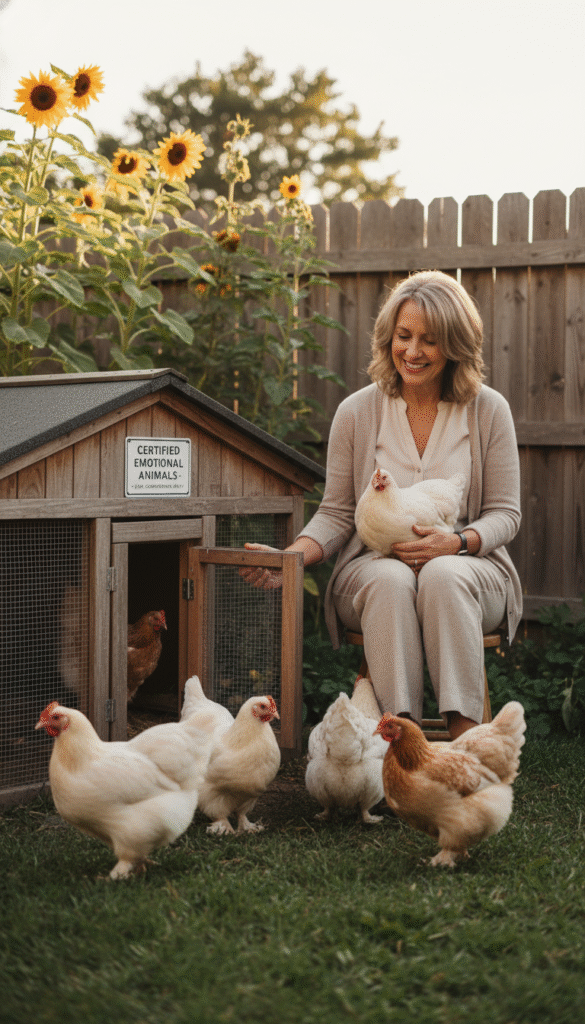
Steps to Designate Your Chicken as an Emotional Support Animal
First, you need a letter from a licensed mental health professional. They verify your specific need for this form of support.
Organizations like Register My Service Animal, LLC can help navigate the process. While dogs and cats are common ESAs, the benefits of birds are gaining recognition.
Ensure your living situation is suitable for a coop. Long-term care for these animals requires a real commitment to their well-being.
Conclusion
For many individuals, a renewed sense of calm and purpose arrives not from a pill, but from a perch. This unique form of therapy provides genuine support for those managing depression or anxiety, as countless personal stories confirm.
The predictable behavior and daily routine offered by these animals create a stabilizing rhythm. This care invests your time into something living, which in turn nourishes your mental health.
Before beginning, always research local laws to ensure a proper setup. The commitment to your hens is a commitment to your own well-being. The joy and peace they bring each day are a powerful return on that investment.
Enjoyed this post? Browse our Etsy shop!
Bird shirts, mugs & faith apparel · 122+ designs · ★★★★★ 5.0


0 Comments