The Lone Star State is a premier destination for observing our feathered friends. It is home to an incredible variety, with around 640 different species recorded. Many of these birds are known for being friendly and easy to watch.
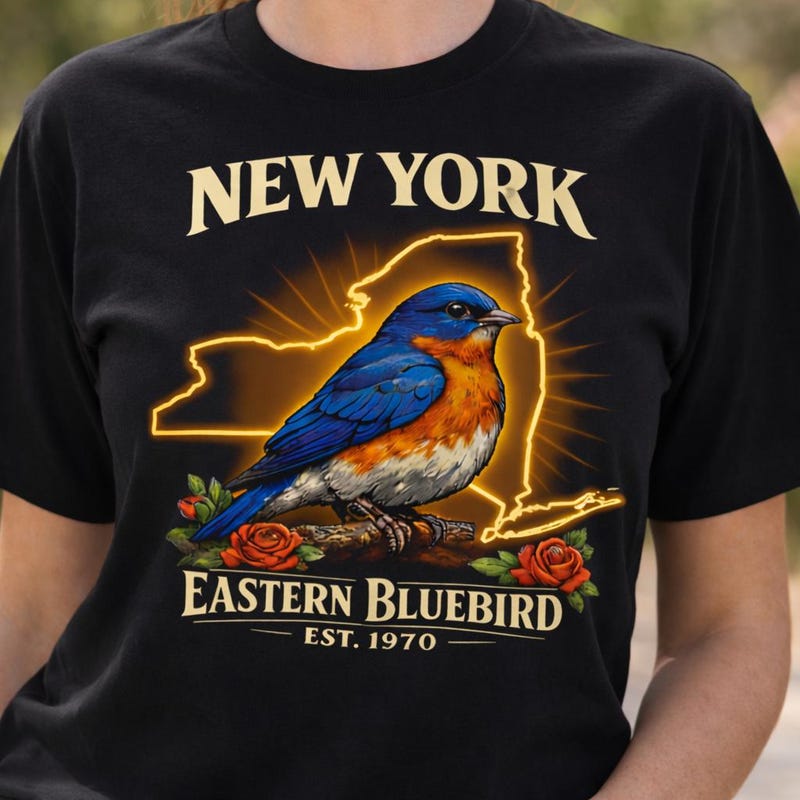
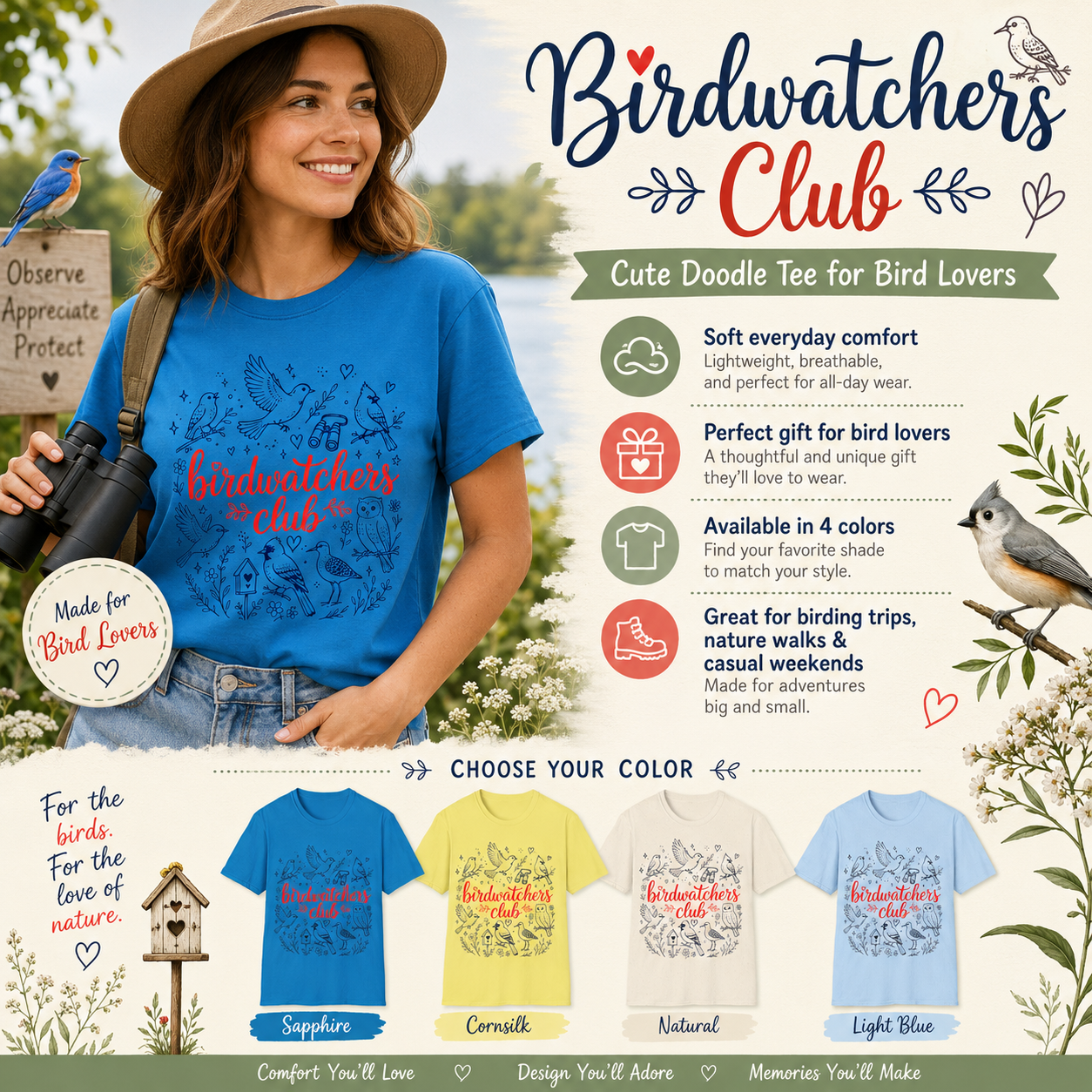
🗺️ State Bird Shirts — Wear Your State Pride
Beautiful state bird tees for every bird-loving local and traveler.
🛒 Shop State Bird Shirts on Etsy




Planning a successful outing requires a bit of research. The landscape is vast, with hundreds of excellent locations to explore. Our guide helps you navigate to the most productive areas.
This curated list provides essential details for your next adventure. We also include tips on the right gear to wear. Being prepared ensures you see the most iconic avian residents.
We invite you to explore these top destinations. For detailed itineraries and book recommendations, you can contact the experts at alamoinn@gmail.com for more information.
Key Takeaways
- The state boasts an amazing diversity, with hundreds of avian species to discover.
- Careful planning is key to a rewarding trip, given the number of potential sites.
- Our guide highlights the most productive locations for birders of all skill levels.
- Knowing what to wear is just as important as knowing where to go for comfort and success.
- Local expertise can enhance your experience; contact the provided email for further details.
- Each location offers a unique chance to connect with nature and witness wildlife spectacles.
Texas birding hotspots: Where Nature Meets Adventure
Love Birds? Shop Our Etsy Store!
Faith-filled bird shirts, mugs & gifts — beautifully printed & shipped fast. 122+ designs, 5-star rated.
🛒 Shop YourBirdBuddyShop on EtsyFrom arid deserts to lush wetlands, the variety of environments creates a haven for countless bird species. This diversity is what makes exploring here so rewarding.
Diverse Habitats from Deserts to Wetlands
The state spans from southern bald-cypress swamps to the Chihuahuan Desert. This range supports a list of nearly 650 different birds.
An extensive series of trails covers scores of sites. These paths lead through wetlands and woods, attracting a large number of migrant birds.
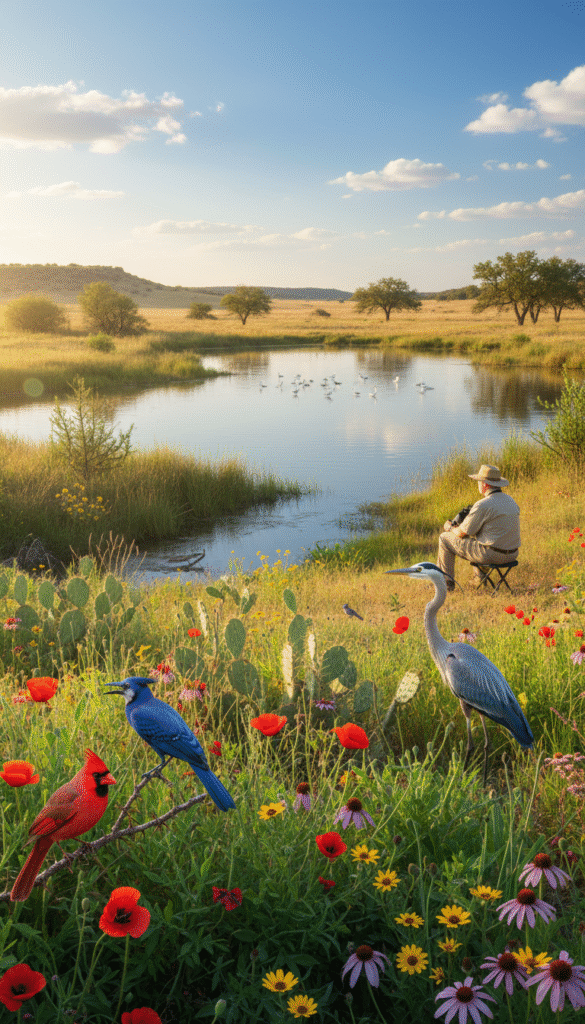 cardinals, blue jays, and herons gracefully occupy lush greenery and blooming wildflowers. The middle ground features a serene lake reflecting the sky, bordered by marsh grasses and cacti, offering a glimpse of a birdwatcher in modest casual attire quietly observing the scene. In the background, rolling hills transition into a vast open field dotted with scattered trees under a bright blue sky with fluffy white clouds. Warm, golden sunlight streams through the foliage, casting a soft glow and creating a tranquil, inviting atmosphere, perfect for adventure seekers exploring nature’s beauty. Use a wide-angle lens to capture the expansive scenery." title="A vibrant and dynamic landscape depicting diverse Texas birding habitats. In the foreground, a variety of birds such as cardinals, blue jays, and herons gracefully occupy lush greenery and blooming wildflowers. The middle ground features a serene lake reflecting the sky, bordered by marsh grasses and cacti, offering a glimpse of a birdwatcher in modest casual attire quietly observing the scene. In the background, rolling hills transition into a vast open field dotted with scattered trees under a bright blue sky with fluffy white clouds. Warm, golden sunlight streams through the foliage, casting a soft glow and creating a tranquil, inviting atmosphere, perfect for adventure seekers exploring nature’s beauty. Use a wide-angle lens to capture the expansive scenery." width="585" height="1024" class="aligncenter size-large wp-image-2357" srcset="https://yourbirdbuddy.com/wp-content/uploads/2026/04/A-vibrant-and-dynamic-landscape-depicting-diverse-Texas-birding-habitats.-In-the-foreground-a-585x1024.png 585w, https://yourbirdbuddy.com/wp-content/uploads/2026/04/A-vibrant-and-dynamic-landscape-depicting-diverse-Texas-birding-habitats.-In-the-foreground-a-171x300.png 171w, https://yourbirdbuddy.com/wp-content/uploads/2026/04/A-vibrant-and-dynamic-landscape-depicting-diverse-Texas-birding-habitats.-In-the-foreground-a.png 768w" sizes="auto, (max-width: 585px) 100vw, 585px" />
Species Spotlight: From Whooping Cranes to Green Jays
Visit the Rio Grande Valley to see the vibrant Green Jay. Its colors provide a shocking departure from typical blue tones.
Laguna Atascosa National Wildlife Refuge is a premier place. It covers 97,000 acres and holds a record for species count.
During spring, the diversity of wildlife is spectacular. Waterfowl and shorebirds congregate in protected areas across the park system.
Top Birding Destinations Across Texas
Three major regions stand out for their exceptional opportunities to observe a wide array of feathered wildlife. Each area offers a unique list of resident and visiting birds.
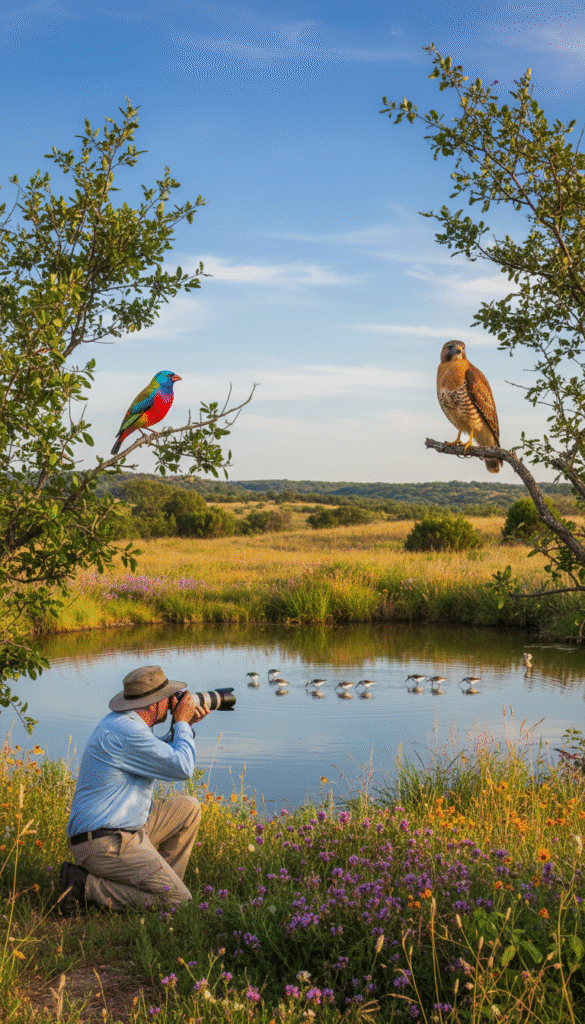
Highlights from Coastal Bend, Rio Grande Valley, and West Texas
The Aransas National Wildlife Refuge is a coastal gem. Its 16-mile auto tour route lets you see waterfowl and breeding birds. This refuge is famous for the Whooping Crane, a species with an hopeful comeback from just 15 birds to several hundred.
Down in the Rio Grande Valley, Santa Ana National Wildlife Refuge draws global birders. Its 2,088 acres protect the vibrant Green Jay. Nearby, Estero Llano Grande State Park is a great place to find Common Paraques. A tram tour at Grande Valley State Park accesses remote woods and wetlands in spring.
Out west, Big Bend National Park holds a national record. It has the highest number of recorded bird species in the United States. This rugged park provides a stunning backdrop for your list.
| Destination | Key Feature | Notable Species |
|---|---|---|
| Aransas National Wildlife Refuge | 16-mile auto tour & coastal wetlands | Whooping Crane, waterfowl |
| Santa Ana National Wildlife Refuge | 2,088-acre subtropical haven | Green Jay, migrant songbirds |
| Big Bend National Park | Largest species count in a U.S. national park | Variety of desert and mountain birds |
These protected areas are vital for migrant shorebirds and songbirds. They offer an unforgettable look at our native wildlife.
What to Wear for Your Texas Birding Adventure
The gear you bring can be as important as the locations you visit for successful observation. Proper attire keeps you comfortable across changing habitats and weather conditions.
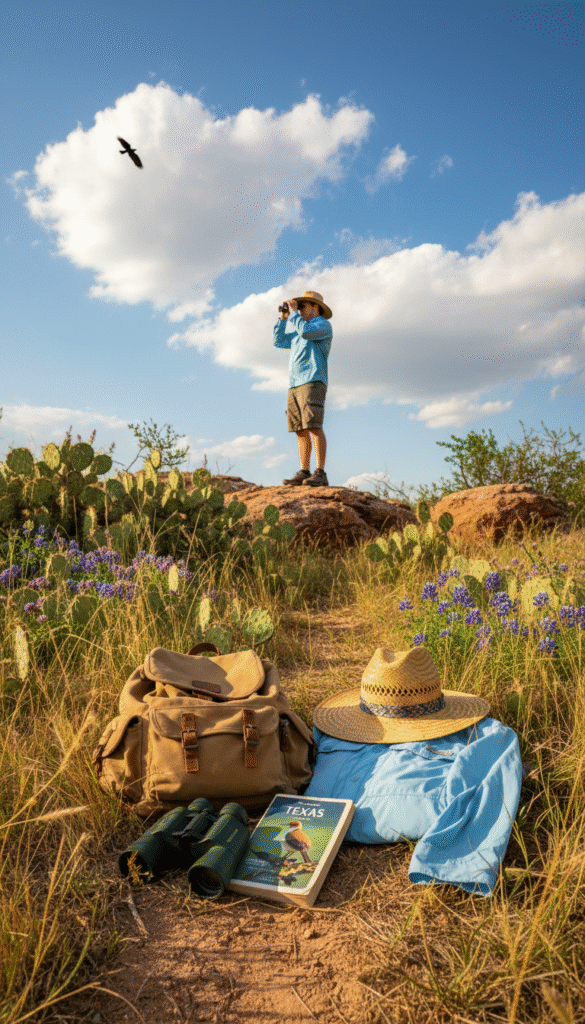
Layering Up for Texas Weather
When visiting the Rio Grande Valley or Big Bend, layering is essential. Temperatures can swing dramatically between morning and afternoon.
This approach lets you adapt as you move between different environments. It ensures you stay focused on the wildlife.
Comfortable Footwear and Functional Accessories
Supportive shoes are necessary when exploring Grande Valley State Park. You'll be walking to see the diversity of species.
A good hat and sunglasses protect you during long hours outdoors. These items help you spot migrant songbirds more easily.
Practical Tips for Outdoor Birding Gear
Bring a spotting scope to identify waterfowl and breeding birds. This is especially useful at the Aransas National Wildlife Refuge.
Always check the latest information for the Santa Ana National Wildlife Refuge. This ensures you have the right clothing for current spring conditions.
At places like High Island, birders share sightings and advice. Being well-equipped lets you fully enjoy these social aspects of your trip.
Conclusion
Your journey through these natural areas promises unforgettable encounters with native species. This remains a premier destination for observing a vast list of birds.
From coastal wetlands to the rugged terrain of Big Bend, the variety of habitats supports incredible wildlife. Watching shorebirds in spring or tracking waterfowl in a state park creates lasting memories.
We hope this guide helps you navigate the many miles of trails. It highlights the best protected places for dedicated birders.
Remember to pack your gear for the next adventure. There is always a new bird to discover in the wilderness.
Enjoyed this post? Browse our Etsy shop!
Bird shirts, mugs & faith apparel · 122+ designs · ★★★★★ 5.0

0 Comments