Have you ever found yourself completely captivated by the flutter of wings outside your window? What starts as a casual glance can quickly grow into a passionate pursuit. Across the United States, millions have discovered the profound joy that comes from observing our feathered friends.
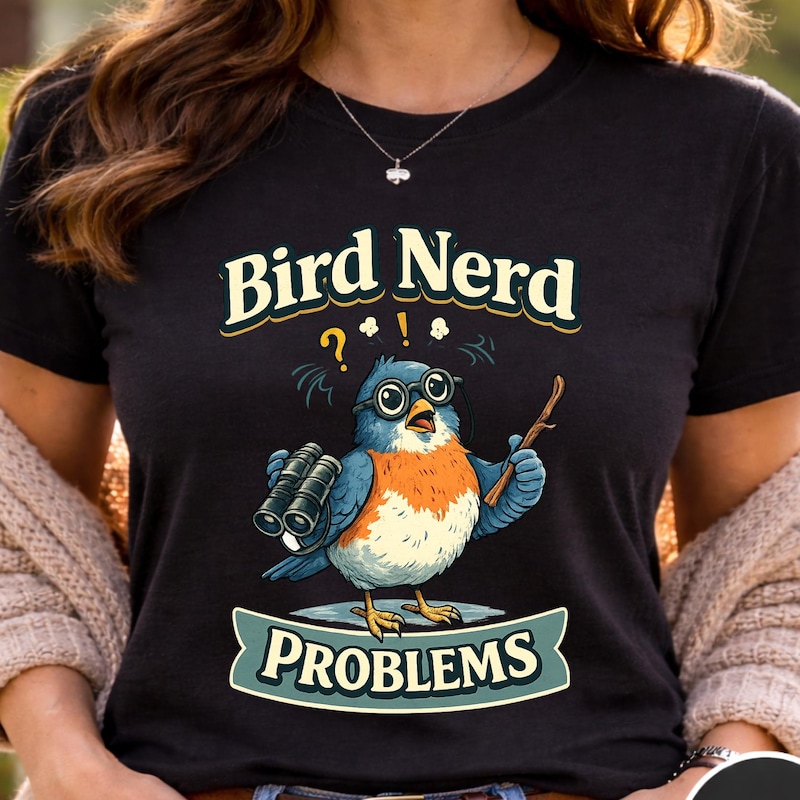
🤣 Funny Bird Shirts That Will Make You Laugh
Hilarious bird tees for the birdwatcher with a great sense of humor.
🛒 Shop Funny Bird Shirts on Etsy




In 2016, data revealed that over 45 million Americans proudly identified as dedicated avian enthusiasts. This popular pastime does more than fill our hearts. It contributes a staggering $41 billion each year to the national economy.
This article celebrates that journey from occasional observer to committed expert. We explore the subtle shifts that mark a true devotion to this hobby. It's about more than just checking names off a list.
It's a deep connection to nature and a lifelong quest for knowledge. Whether you're in your backyard or a remote national park, the thrill of discovery remains. Let's uncover the signs that your interest has blossomed into a full-fledged passion.
Key Takeaways
- Millions of people in the U.S. have turned birding into a serious and rewarding hobby.
- The economic impact of this activity is immense, supporting local and national economies.
- What often begins as a simple interest can evolve into a deep, lifelong connection with nature.
- Learning to identify different species enhances environmental awareness and personal knowledge.
- Recognizing the signs of a true enthusiast can help you fully embrace your passion.
Introduction: Celebrating the Bird Nerd Spirit
Love Birds? Shop Our Etsy Store!
Faith-filled bird shirts, mugs & gifts — beautifully printed & shipped fast. 122+ designs, 5-star rated.
🛒 Shop YourBirdBuddyShop on EtsyThe hobby we know today took a significant step forward in 1901. Edmund Selous published his influential book titled Bird Watching. This marked a shift from simple cataloging to a more aesthetic appreciation of avian life.
What It Means to Be a Bird Nerd
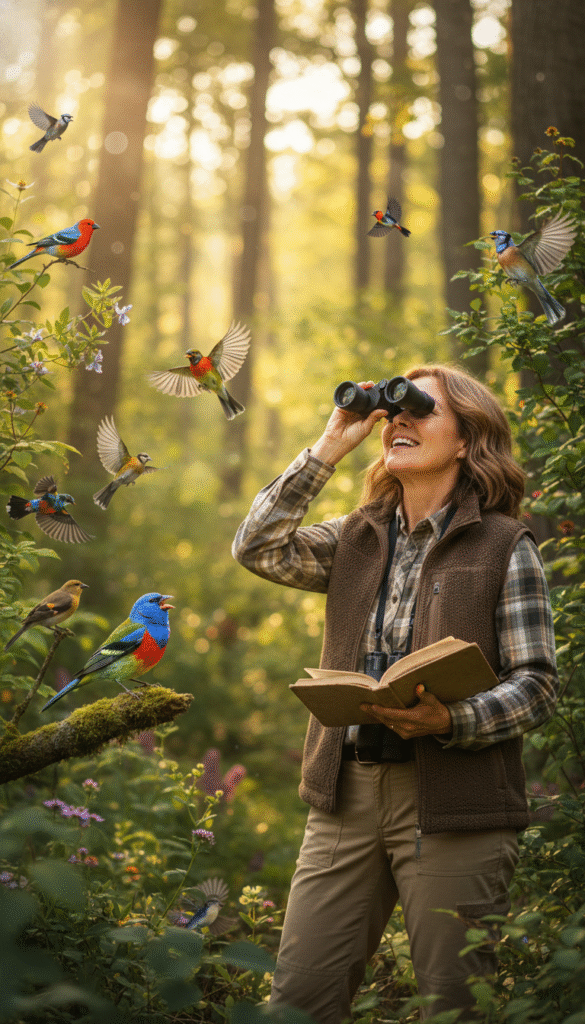
It involves a deep appreciation for the natural world. Enthusiasts find wonder in the complex behaviors of various species. This pursuit is about understanding, not just checking names off a list.
The Joy of Birdwatching as a Passion
Engaging in this activity creates a powerful connection with the environment. You learn unique details about different birds just by being present. Many find their interest grows the more time they spend quietly observing.
This section celebrates that spirit. It honors those who find profound joy in the simple, daily act of watching birds.
Are You a bird nerd birdwatcher?
Before you can truly claim a title, it helps to understand where it came from. The labels we use for our passion have a rich history that reveals different levels of dedication.
Discovering the Identity Behind the Term
The word "birdwatcher" has surprising historical depth. William Oldsworth first used it in England back in 1712. This shows how long people have enjoyed observing our feathered friends.
Modern definitions emerged much later. In 1969, Birding magazine published a special glossary. It created clear distinctions between casual observers and serious enthusiasts.
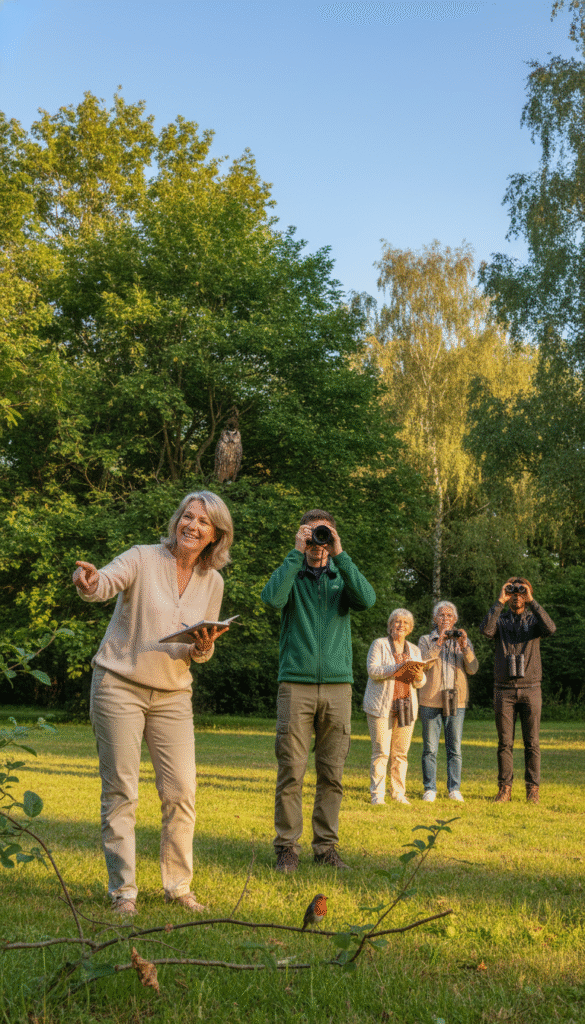
These official definitions help clarify identity within the community. Many dedicated people prefer the term "birder." It better describes their scientific or recreational intent.
Understanding this history helps enthusiasts recognize their own journey. It moves from simple backyard observation to more structured study of avian species.
Recognizing Early Signs of a True Bird Nerd
One of the first indicators of a deepening passion is the urge to know more than just 'bird'. You start wanting to name every feathered creature you see.
This shift marks a move from casual watching to active learning. It's a quest for specific knowledge.
Naming Birds and Seeking Specific Field Guides
That quest often begins with a trusted field guide. Roger Tory Peterson published his influential one in 1934.
It set a new standard for visual identification. Today, enthusiasts still seek out detailed guides to learn species names and traits.
| Method | Key Tool | Primary Use | Accessibility |
|---|---|---|---|
| Traditional Field Guides | Peterson's Guide (1934) | Visual identification via illustrations | Physical book, requires carrying |
| Modern Digital Tools | Smartphone Applications | Audio & visual ID, instant lookup | Always on-hand, global reach |
Google Searches and App Discoveries
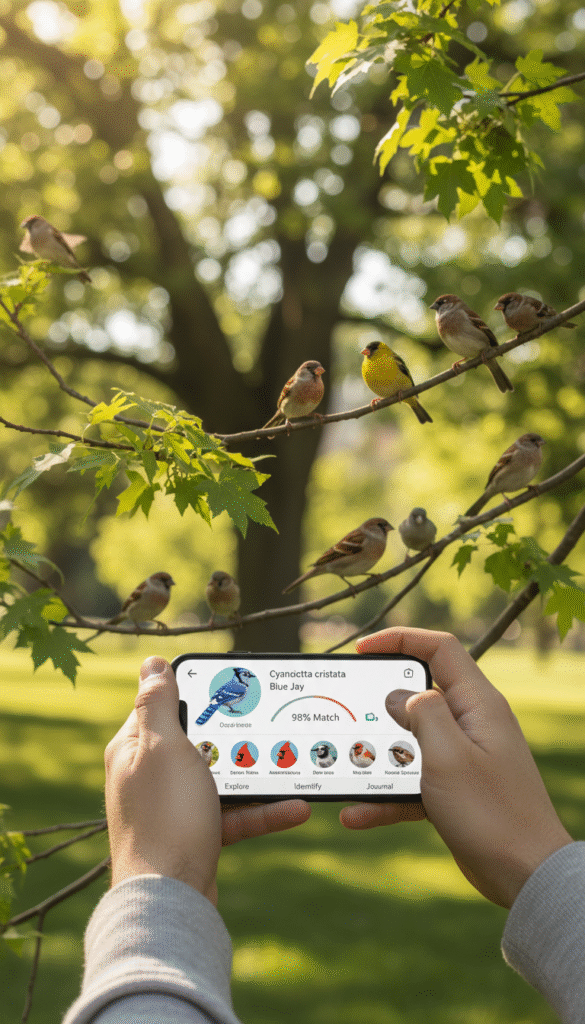
Your phone becomes a vital tool. You might search for a call you just heard or a flash of color you saw.
Modern apps make this process incredibly fast. They are a huge upgrade from the classic guide.
Using these digital tools shows you're on the path to expertise. They put a world of avian information in your pocket.
Embracing the Binoculars and Field Guides
After World War II, a key piece of technology became widely accessible, forever changing how people pursued this hobby. This availability marked a new era, putting powerful tools into eager hands. The journey truly deepens with two essential companions: optics for seeing and books for knowing.
Choosing the Right Binoculars for Every Adventure
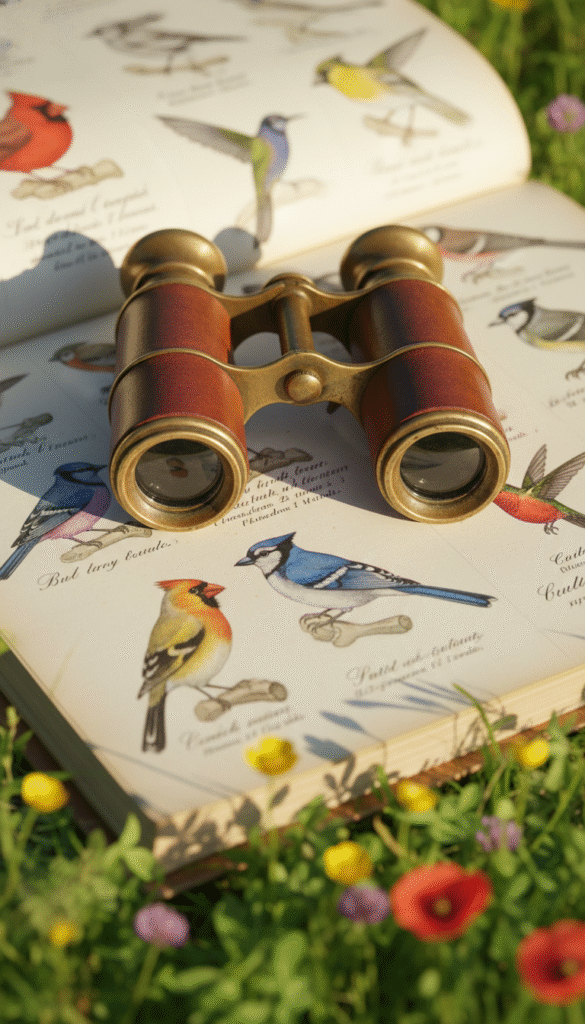
High-quality binoculars are an essential piece of equipment. They allow you to see creatures in the field with incredible clarity and detail. This tool transforms a simple walk into a detailed expedition.
Selecting the right pair is a personal decision that enhances every adventure. The right optics can reveal rare species that would otherwise remain hidden. Your choice directly shapes what you discover.
Collecting Essential Field Guides
A reliable field guide is the other must-have tool. It helps you identify species by their unique markings, size, and habitat use. This guide turns uncertainty into confident knowledge.
Many enthusiasts collect multiple versions. They ensure they have the best information for different regions and seasons. This library becomes a personal reference for every outing in the field.
The Joy of Tallying Bird Counts and Rare Sightings
There's a special kind of thrill that comes from checking a new name off your personal catalog of sightings. This practice, known as keeping a life list, is a classic tradition. It turns every outing into a potential treasure hunt.
The dedication can be immense. Once, over 2,500 people traveled to Kent just for a glimpse of a rare golden-winged warbler.
Documenting Your Life List Step-by-Step
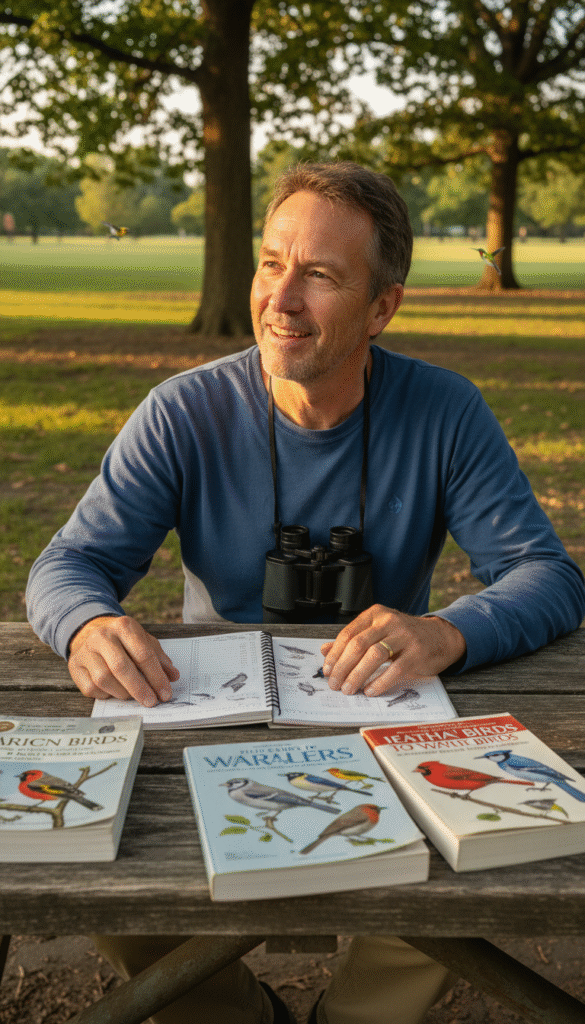
Your life list is more than a tally. It's a documented journey of your progress. Writing down each bird species you see helps you track your growing knowledge.
This record also adds to our understanding of local populations. Some enthusiasts take documentation to extremes. One researcher spent days on a remote island to count 240 penguins for a scientific survey.
Tracking Rare Bird Species in National Parks
National parks are prime locations to find unusual birds. Tracking these rare birds requires sharp eyes and a lot of patience. The reward is a highly prized entry on your list.
Spotting a unique bird species in a protected habitat is incredibly rewarding. It connects you to a moment few others experience. Each rare sighting becomes a story you'll remember forever.
Bird Nerd Traditions: Early Morning Counts and Annual Events
Annual rituals transform a solitary hobby into a shared community celebration. These cherished events create bonds and turn personal passion into collective action.
Early Rises for the Best Bird Sightings
Setting an alarm for the crack of dawn is a common sacrifice. The early hours of the day offer the best chance to see avian species at their most active and vocal.
This quiet time provides perfect conditions for observation. Your dedication to starting the day early greatly increases the variety of creatures you'll encounter.
Participating in Iconic Bird Counts
Organized bird count programs are a cornerstone of the community. The long-running Christmas Bird Count is a famous example, uniting people across the country.
Another unique tradition is the Big Sit. Participants must stay within a 17-foot diameter circle, testing their identification skills from a single spot.
These events are about more than numbers. They foster camaraderie and generate valuable data. Every bird count becomes a memorable, shared adventure.
Evolving from Casual Birding to Passionate Practice
Scientific research has uncovered fascinating evidence that deep engagement with nature can physically reshape our minds. Studies show expert observers have structural brain differences compared to novices. This indicates a high level of cognitive engagement with the activity.
Transitioning from Observation to In-Depth Learning
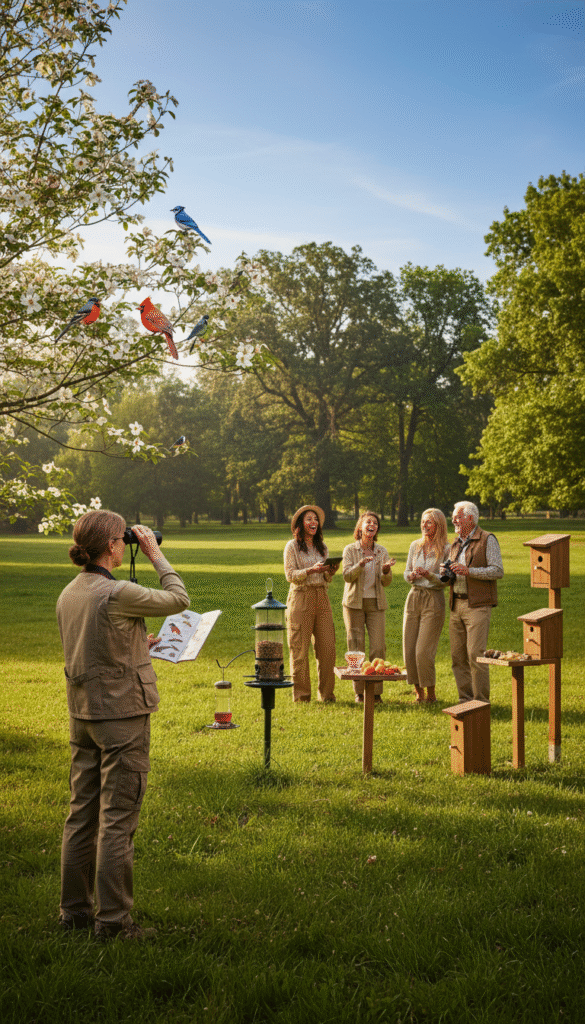
This neural change reflects a shift from passive watching to active interpretation. The passionate practitioner learns the subtle behaviors and unique calls of different species. It moves the activity to a much deeper level of understanding.
For the dedicated birdwatcher, a fleeting glimpse tells a story. You start to predict behaviors based on season, time of day, and habitat. This knowledge transforms every outing into a rich, educational experience.
Mastering Silent Walks and Quick Binocular Adjustments
Physical skill becomes as important as knowledge. Mastering the silent walk is a fundamental technique. It allows you to approach creatures closely without causing disturbance.
Equally crucial is the ability to make quick, precise adjustments with your binoculars. A subject moving rapidly through foliage requires instant focus. This skill ensures you never miss a critical identifying detail.
This evolution in both mind and technique defines the journey. It turns a casual pastime into a passionate, skillful practice where your binoculars feel like a natural extension of your senses.
Community and Connection Among Birders
With millions of participants across the country, you are never truly alone in your interest. The shared passion felt by over 45 million Americans creates a natural network of friendly communities. This transforms a quiet hobby into a vibrant social experience.
Building Bonds Over Shared Experiences
There's a unique joy in describing a rare sighting to another person who understands your excitement. These shared experiences create instant, meaningful connections. Your time outdoors becomes richer when you have someone to share the wonder with.
Building these bonds makes every trip more enjoyable. You learn to see the environment through a companion's eyes. This deepens your own appreciation for the natural world.
Engaging in Local and Online Birdwatching Communities
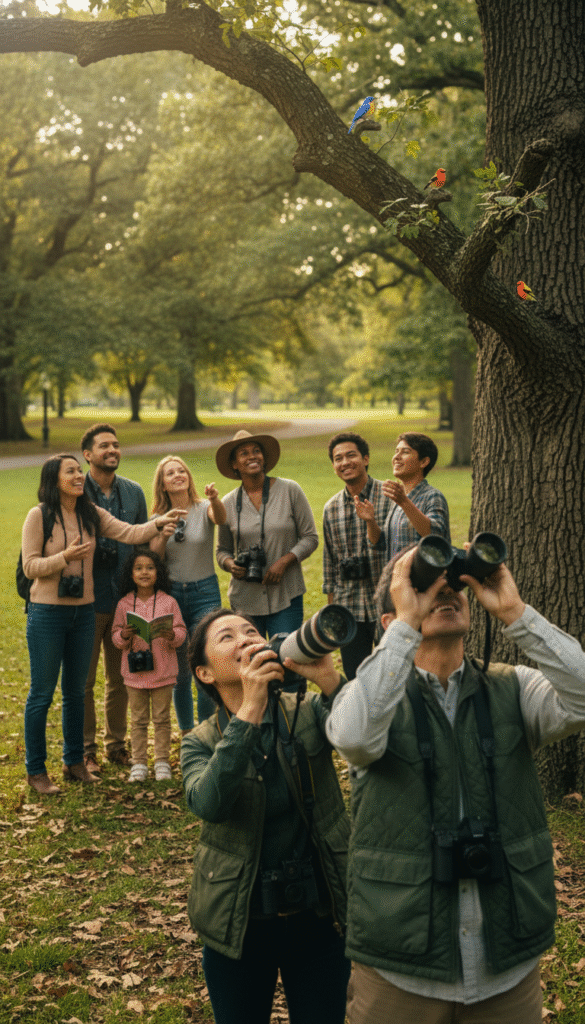
Local clubs and online forums are hubs of activity. These groups provide a space to discuss rare finds, share photos, and tap into a vast pool of collective knowledge. You can learn about the best local spots from those who know them well.
Engaging with others lets you hear about unique experiences you might have missed. Whether connecting online or in person, these communities foster a powerful sense of belonging. They remind you that your passion connects you to a much larger, welcoming group.
The Role of Technology in Modern Birdwatching
Today's enthusiast carries a pocket-sized laboratory, turning every outing into a high-tech discovery mission. The classic tools are now joined by digital assistants that make identification faster and learning deeper.
This shift has made the pursuit more accessible and detailed than ever before. You can capture moments that were once too fleeting to study.
Using Apps and Digital Tools for Bird Identification
Powerful apps have become the new field guide. They offer instant identification using your phone's camera or microphone. A vast database of information about birds worldwide is always at your fingertips.
These tools are indispensable for confirming a sighting in real-time. They also help you log your finds and connect with a global community.
Enhancing the Experience with Audio and Visual Equipment
Advanced gear lets you capture the natural world in stunning detail. High-quality sound recording equipment is now small and affordable.
It allows you to preserve the unique calls of different avian species. Many people use compact video cameras to document their sightings.
This video provides a visual record you can share and review later. The use of this equipment has significantly improved how we study wildlife.
| Tool Type | Primary Function | Key Benefit | Modern Trend |
|---|---|---|---|
| Audio Recorders | Capture bird calls and songs | Analyze subtle sound details for ID | Compact, smartphone-compatible |
| Video Cameras | Record behavior and plumage | Create shareable video evidence | High-definition, image-stabilized |
| Smartphone Apps | Instant visual/audio analysis | Immediate access to species data | AI-powered, constantly updated |
Listening through a sensitive microphone reveals a hidden layer of the environment. You'll hear nuances in sound that the naked ear often misses.
Watching recorded video helps you notice behavioral patterns. As technology evolves, our interaction with birds becomes more sophisticated and rewarding.
Conservation, Adventure, and Global Impact of Birding
The true impact of this popular pastime is measured not just in species counted, but in dollars generated and habitats protected. Your passion connects you to a worldwide network of conservation and sustainable adventure.
Birding as a Catalyst for Environmental Awareness
Protecting the environment becomes a core value. You see firsthand how healthy habitats are essential for all life. This deepens your commitment to safeguarding the natural world.
Your observations contribute to vital scientific data. This knowledge helps guide policies that preserve ecosystems for future generations.
How Birdwatching Fuels Ecotourism and Local Economies
This activity is a powerful economic engine. In 2006, enthusiasts contributed an estimated $36 billion to the U.S. economy. That spending supports local jobs and conservation projects.
Globally, at least 127 companies offer guided tour packages. These trips are a fantastic adventure, taking you to remote corners of the world.
Your spending on a tour guide, lodging, and local food directly benefits communities. It creates a financial incentive to protect the environment. This model of ecotourism ensures that local food and culture thrive alongside wildlife.
Every trip you take helps build a sustainable world where nature and people both benefit.
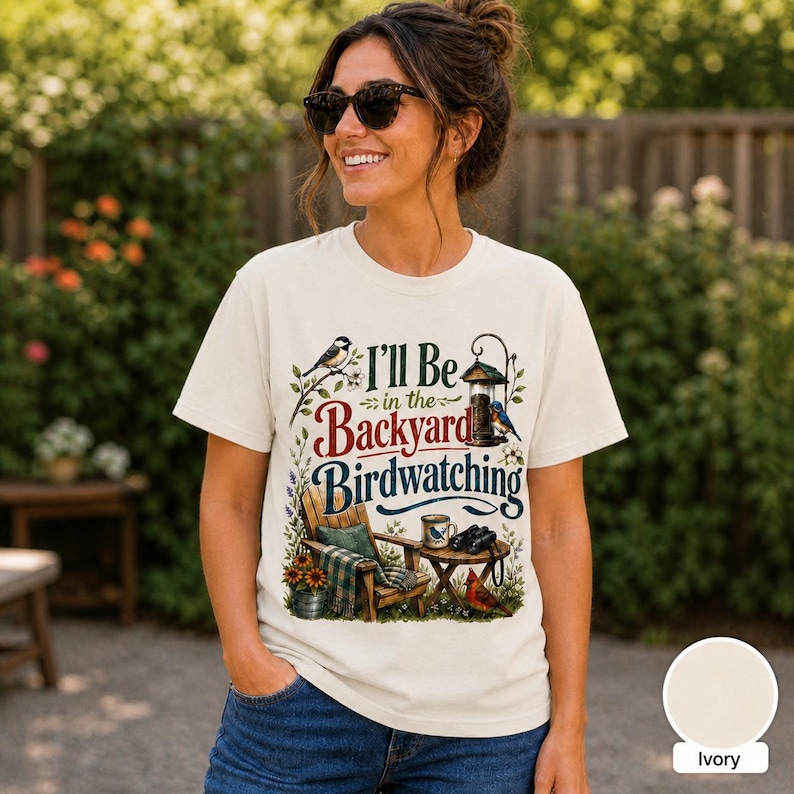
If you recognized yourself in 8 or more of these signs, this shirt was made for you.
The "I'll Be in the Backyard Birdwatching" shirt is the official uniform of the confirmed bird nerd. Comfort Colors garment-dyed, front-and-back design, and available in 6 colors. It's the gift every bird nerd wants but won't buy themselves.
★★★★★ 5-star rated · Comfort Colors · Ships from the US
Conclusion
Recognizing the signs of a dedicated enthusiast is the first step toward fully embracing this rewarding pursuit. Throughout this exploration, we've seen how a simple interest blossoms into a deep connection with the natural world.
From maintaining a detailed life list to joining annual count events, each activity enriches your understanding. Whether you rely on a trusted field guide or modern digital tools, the time invested builds valuable knowledge about avian species and their habitats.
Your journey in birdwatching is a personal adventure that grows with every outing. Continue to explore new places, document your sightings, and connect with fellow enthusiasts. This commitment enriches your life and supports vital conservation work for future generations.
Enjoyed this post? Browse our Etsy shop!
Bird shirts, mugs & faith apparel · 122+ designs · ★★★★★ 5.0

0 Comments