Have you ever watched a group of large waterfowl waddling across a park with serious intent? Their confident strut and loud conversations are a constant source of amusement. Many people mistake these entertaining creatures for their smaller cousins, ducks, but they offer a uniquely hilarious spectacle.
A big part of their charm comes from a behavior called imprinting. Back in 1987, researcher H.S. Hoffman showed that a young duckling or gosling will bond with the first moving thing it sees. This means a bird might follow a human, a dog, or even a toy, thinking it’s its parent for life.
Their social world is just as fascinating. A female is called a goose, a male is a gander, and a group on land is a gaggle. Whether in a gaggle or a flying skein, each one seems to have its own bold personality. Their interactions with other farm animals can be downright comical.
From their determined waddle to their lifelong bonds, these animals provide endless entertainment. Let’s dive into what makes them so uniquely amusing.
Key Takeaways
- Geese exhibit highly amusing and confident social behaviors that are distinct from ducks.
- Imprinting is a critical behavior where a young gosling or duckling bonds with the first moving object it sees, as proven by H.S. Hoffman’s 1987 study.
- The correct term for a female is a goose, a male is a gander, and a group on land is called a gaggle.
- Each individual in a group displays unique personality traits, contributing to their hilarious group dynamics.
- Their interactions with other animals on a farm are often a source of comedy.
- While commonly confused, geese are the largest common waterfowl and their behavior sets them apart.
The Comical World of Geese: Unexpected Moments and Wacky Behaviors
Love Birds? Shop Our Etsy Store!
Faith-filled bird shirts, mugs & gifts — beautifully printed & shipped fast. 122+ designs, 5-star rated.
🛒 Shop YourBirdBuddyShop on EtsyThe daily life of these large waterfowl is filled with moments that seem straight out of a cartoon, from their honking conversations to their nesting antics. Their blend of serious intent and silly execution creates a hilarious pattern of behavior for any observer.
Honking, Waddling, and Hilarious Communication
Listen to a gaggle geese on land. Their loud honks and confident waddles form a unique language. Researcher S. Hoy noted in 2009 that these highly social animals integrate well with other livestock.
They often honk to communicate their status within the group. This creates a chaotic yet amusing background soundtrack on any farm.
Bizarre Nesting Habits and “Home Improvement” Rituals
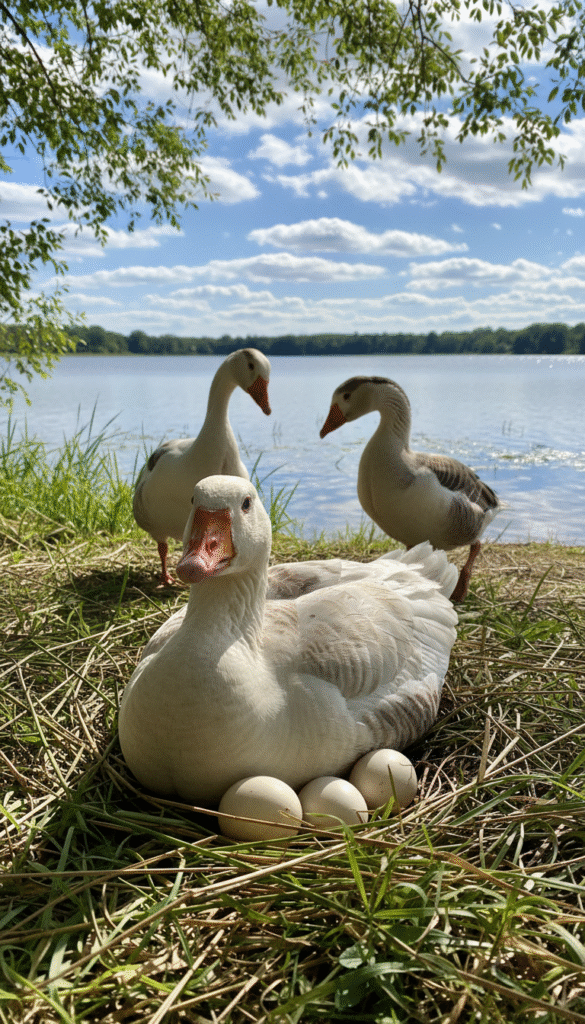
According to Birdfact, these animals spend most of their time on land foraging. They eat seeds, nuts, grass, plants, and berries.
Their nesting habits are equally dedicated. A canada goose often acts as a diligent bird guard. This creates a portrait goose scene worthy of a cartoon illustration.
S. Hoy observed they collect specific materials for ‘home improvements’. They gather:
- Twigs and bark
- Leaves and down
It’s like watching a comic duck or duckling on a mission. The goose wears a metaphorical hat of authority while it guards its construction site. This whole bird ritual is both practical and absurdly entertaining.
Geese Funny Birds: A Closer Look at Their Entertaining Antics
One of the most iconic sights in nature, the V-formation, is also a source of fascinating and amusing behavior. Their social bonds and protective instincts add surprising depth to their already hilarious daily routines.
Winged Wonders: The V-Formation and Flying Follies
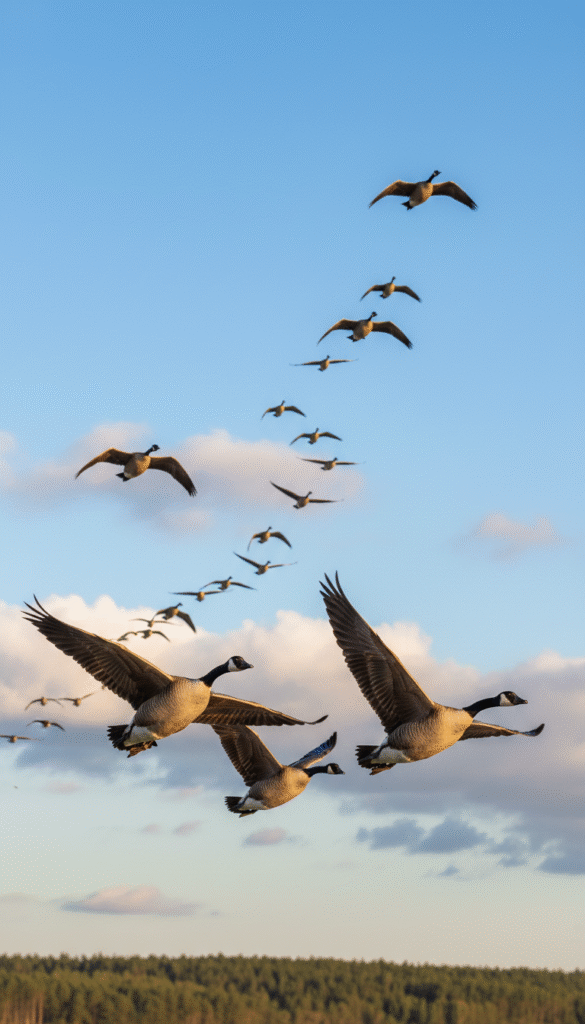
Research by A. Mirzaeinia et al. in 2020 shows a canada geese flock uses the V-formation to increase flying range by 71%. This clever pattern is a masterclass in energy efficiency.
When the lead bird tires, another seamlessly takes over. This rotation creates a living, coordinated illustration in the sky. It’s a breathtaking cartoon of teamwork.
Loyal Companions: Mating for Life and Protective Instincts
These animals often mate for life. The Coalition to Prevent the Destruction of Canada Geese notes they mourn lost partners. This loyalty adds a poignant layer to the portrait goose character.
A protective bird guard will stand watch over its nest or duckling. It acts as a vigilant guard in the background. This dedication is both serious and strangely comical to observe.
| Behavior | Social Function | Entertainment Value |
|---|---|---|
| V-formation Flight | Energy conservation for migration | Aerial coordination resembling a cartoon |
| Lifetime Pair Bonding | Strong social cohesion | Adds depth to their funny portrait |
| Protective Guarding | Defense of nest and young | Comical vigilance in the background |
| Gaggle geese Dynamics | Ground-based social structure | Humorous group interactions and honking |
From Canada Geese to Gaggle Gags: Satire, Caricature, and Unexpected Humor
Imagine a scene of fluffy chaos: feathers flying, honks filling the air—it could be a goose gaggle or a massive pillow fight in Amsterdam. This hilarious parallel is why artists love using these animals in satire. Their bold personalities and social rituals are perfect for humanized animals illustrations.
British Satire and Caricature in the World of Geese
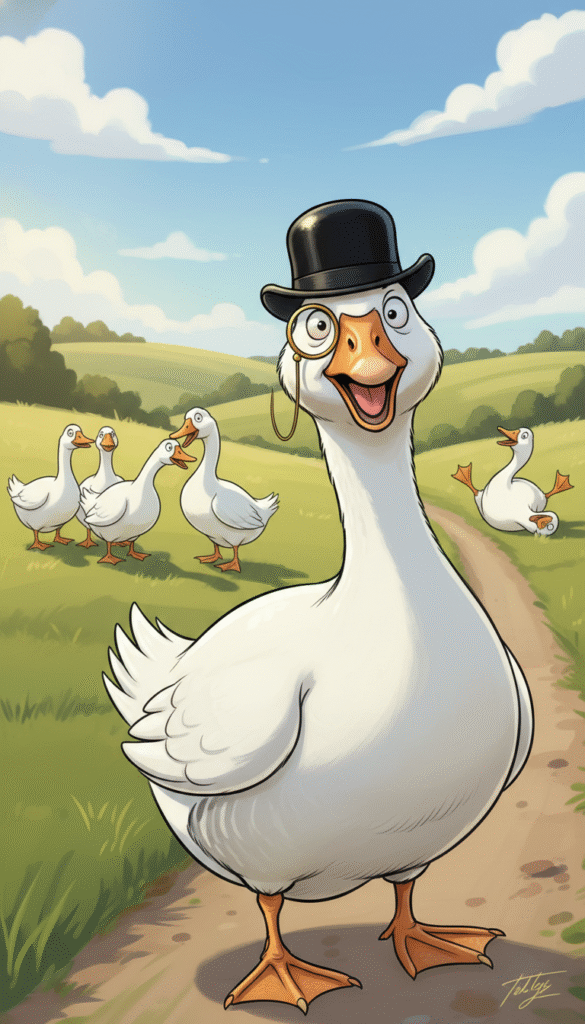
Classic British satire has a long history of using animal figures to comment on society. A Canada goose, with its confident strut, becomes a perfect subject for caricature comic cartoon art. Artists exaggerate its features to create a portrait goose that mirrors human traits.
These works often show a bird guard wearing a tiny hat, standing watch. This cartoon illustration style adds a layer of humor to the animals‘ natural protective instincts. The Coalition to Prevent the Destruction of Canada Geese notes their complex social bonds, which add depth to the satire.
International Pillow Fight Day and Quirky Animal Illustrations
The annual International Pillow Fight Day in Amsterdam captures a similar spirit of joyful chaos. Illustrators often depict a gaggle geese group with the same energetic pattern as the pillow fight. Feathers fly in both scenes, creating a dynamic background.
This comic cartoon approach turns a simple illustration into a commentary on group behavior. Whether it’s ducks or Canada geese, the caricature style makes the animals illustrations universally amusing. The fight day event, like a goose gathering, is a celebration of harmless fun.
Conclusion
Ultimately, the charm of these animals lies in their unexpected contradictions. They are fiercely loyal yet provide endless amusement with their daily routines.
Geese showcase complex social structures. Their hilarious habits, from foraging in the grass to honking conversations, turn any park into a theater.
The phenomenon where a young goose imprints on a surrogate parent is a wonder of nature. It highlights a fascinating similarity to how a duck learns about its world.
We have seen their lifelong bonds and efficient flight patterns. These traits allow them to thrive across the globe.
Whether observed in a field or depicted in art, their presence sparks joy and curiosity. Understanding them deepens our appreciation for the vibrant world of waterfowl we share.
Enjoyed this post? Browse our Etsy shop!
Bird shirts, mugs & faith apparel · 122+ designs · ★★★★★ 5.0

0 Comments