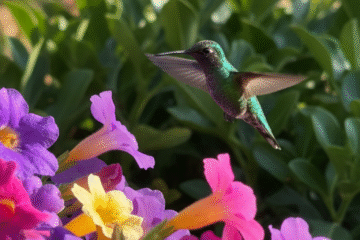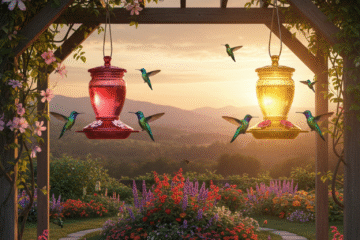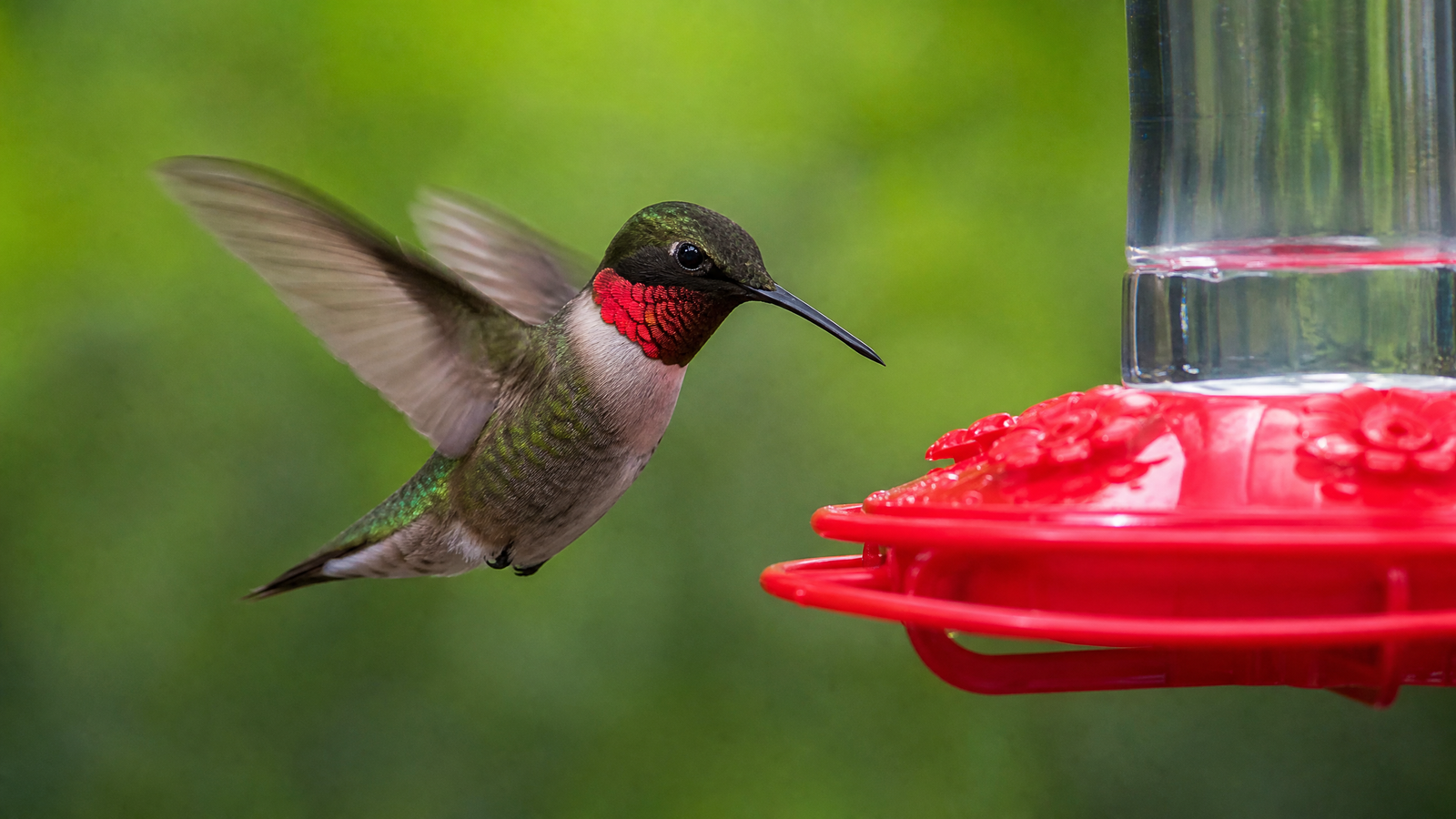
Hummingbirds are the jewels of the backyard. With their iridescent feathers and incredible hovering abilities, attracting them is a goal for many bird lovers. But feeding hummingbirds requires a different approach than feeding seed-eating birds.
🐦 Shop Our Collection
Faith-Inspired Bird Shirts & Gifts
Scripture-inspired tees, mugs & gifts for the bird-loving believer. 27+ designs · Fast shipping.
The Perfect Nectar Recipe
Love Birds? Shop Our Etsy Store!
Faith-filled bird shirts, mugs & gifts — beautifully printed & shipped fast. 122+ designs, 5-star rated.
🛒 Shop YourBirdBuddyShop on EtsyThe most important rule of feeding hummingbirds is this: never use red dye. Commercial nectars often contain red food coloring, which is unnecessary and potentially harmful to these tiny birds. The best nectar is the one you make at home.
Mix 1 part plain white table sugar with 4 parts water. Stir until the sugar is completely dissolved. You can boil the water to help the sugar dissolve faster, but let it cool completely before filling the feeder. Store any extra nectar in the refrigerator for up to one week. Never use honey, brown sugar, artificial sweeteners, or molasses.
The red color of the feeder itself is enough to attract hummingbirds. You do not need to add red dye to the nectar.
Choosing the Right Feeder
Hummingbird feeders come in two main styles: saucer (or dish) feeders and bottle (or vacuum) feeders. Saucer feeders are generally easier to clean and less prone to leaking. Bottle feeders hold more nectar and are often more visually appealing, but they can be harder to clean thoroughly. Whichever style you choose, ensure it has red parts to attract the birds' attention.
Feeder Placement
Hang your feeder in a spot that gets some shade during the hottest part of the day to keep the nectar from spoiling too quickly. Place it near flowers or shrubs to provide cover, but keep it at least 10-15 feet away from windows to prevent collisions.
Cleaning Schedule — This Is Critical
Nectar spoils quickly, especially in hot weather, and moldy nectar can make hummingbirds very sick. If the temperature is above 90°F (32°C), clean the feeder and replace the nectar every 1-2 days. In cooler weather, clean it every 3-4 days. Use hot water and a bottle brush — avoid using soap, as it can leave a residue.
When to Put Out Your Feeder
Put your feeder out about two weeks before hummingbirds are expected to arrive in your area in spring. In most of the eastern United States, Ruby-throated Hummingbirds arrive in April or May. Keep feeders up until at least two weeks after you've seen the last hummingbird in fall — some late migrants may still be passing through.
You Might Also Enjoy
Enjoyed this post? Browse our Etsy shop!
Bird shirts, mugs & faith apparel · 122+ designs · ★★★★★ 5.0